

Fuelling Longevity: You are what you eat … at any age
Have you heard that the daily food choices you make at any age and any health condition can slow the changes and challenges that come with getting older? The nutrition science is clear — smart food and lifestyle choices are power tools for aging well. They help you stay strong, feel good longer, and protect your independence and quality of life now and in years to come.
Here are some simple practical shifts that can help you harness the power of balanced eating for active aging.
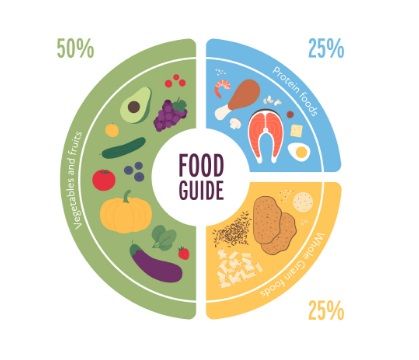
The basics of balanced eating
Your body needs a variety of nutrients each day to keep your energy steady, your muscles strong and your mind sharp. One of the easiest ways to make this happen is by following a balanced eating pattern based on Canada’s Food Guide: Half your plate vegetables/fruits; One-quarter protein foods; One-quarter whole grains.
The visual “plate” turns nutrition science into everyday action by showing the types of foods and proportions that work for any meal. It’s a flexible template you can adapt to your preferences, budget, and health goals.
Actionable strategies for balanced eating
As you age, it’s important to eat a variety of nutritious foods to meet your body’s changing needs. A balanced plate each day can include:
Vegetables and fruits packed with vitamins, minerals and antioxidants that may lower the risk of chronic illnesses. Fill half your plate with colorful produce — fresh, frozen, canned or dried. Include dark green vegetables (broccoli, spinach kale, bok choy) and orange vegetables (carrots, sweet potatoes).
Proteins are vital for muscle strength and healing. Fill one-quarter of your plate with foods like eggs, nuts, seeds, fish, shellfish, legumes (beans, peas, lentils), lean meat, poultry, lower fat dairy, soy foods (tofu, edamame).
Whole grains provide fibre for digestion and key nutrients. Fill one-quarter of your plate with whole grains like oats, wild rice, whole wheat pasta or quinoa.
Water should be your drink of choice.
Balanced eating is not about perfection — it’s about making the most of every plate to nourish your body, support active aging and enjoy foods you love. For advice tailored to your health needs, consult your doctor or a registered dietitian at Dietitians of Canada.
Recipe of the Month
Overnight Oatmeal with Greek Yogurt
Getting protein at breakfast can be a challenge. This balanced, make-ahead recipe is ready when you are.
Prep Time: 5 minutes | Cook Time: 0 minutes | Servings: 1
Ingredients
1/4 cup (60 mL) large flake oats
1/4 cup (60 mL) low-fat milk or fortified plant beverage
1/4 cup (60 mL) low-fat Greek yogurt
1 1/2 tsp (7.5 mL) chia or ground flaxseed
1/2 cup (125 mL) diced fresh or frozen fruit (banana, apple, berries)
In a 1 cup (250 mL) Mason jar combine oats, milk, yogurt, seeds. Cover, shake until well-combined. Stir in fruit. Seal, refrigerate overnight, or up to 3 days. Enjoy chilled or reheated in microwave for 1 minute (lid off).
Lucia Weiler is an award-winning Registered Dietitian in private practice who translates nutrition science into life-changing advice for vibrant living and balanced eating at www.weilernutrition.com
Our website is the place for the latest breaking news, exclusive scoops, longreads and provocative commentary. Please bookmark nationalpost.com and sign up for our newsletters here.
