
The city-state’s rally has a ‘long way to go’, says the bank, which is also ‘overweight’ on Vietnamese equities
[SINGAPORE] Asean equities will be at an inflexion point in 2026, with a recovery in earnings and valuations after years of underperformance, analysts at JPMorgan said.
The bank’s 2026 regional outlook report advised investors to pivot away from crowded global technology and artificial intelligence (AI) trades to Asean for diversification.
Specifically, it favours markets with clear, supportive government policies, such as Singapore and Vietnam, over those facing structural headwinds, like Thailand.
For Singapore, it said that the equities rally has a “long way to go” as new measures, including the S$5 billion Equity Market Development Programme and the Singapore Exchange-Nasdaq dual-listing bridge, create the potential for return on equity to rise to a historical high of 12 per cent. This is compared with the current level of 10 per cent.
The analysts also noted a “pivotal” public policy shift in Vietnam this year that could lead to a “long period of strong economic growth” and financial deepening, similar to the reforms that the country underwent in the 1980s.
Meanwhile, they were “relatively overweight” on Philippine equities, thanks to swift economic growth recovery in the country, led by a proactive expansionary fiscal response as well as confidence among consumers and investors.
The analysts were neutral on Malaysia and Indonesia, while their comparatively negative outlook for Thailand was based on a weak 2026 growth forecast, subdued earnings prospects and political overhangs.
Singapore: Broadly resilient
JPMorgan said that 2026 will feature an upside for Singapore equities as global funds remain under-positioned and a much-larger-than-average cash pile of S$70 billion begins rotating from deposits into the stock market.
This trend is expected to persist until the end of the year, on the back of the Monetary Authority of Singapore holding rates steady while global yields decline.
SEE ALSO
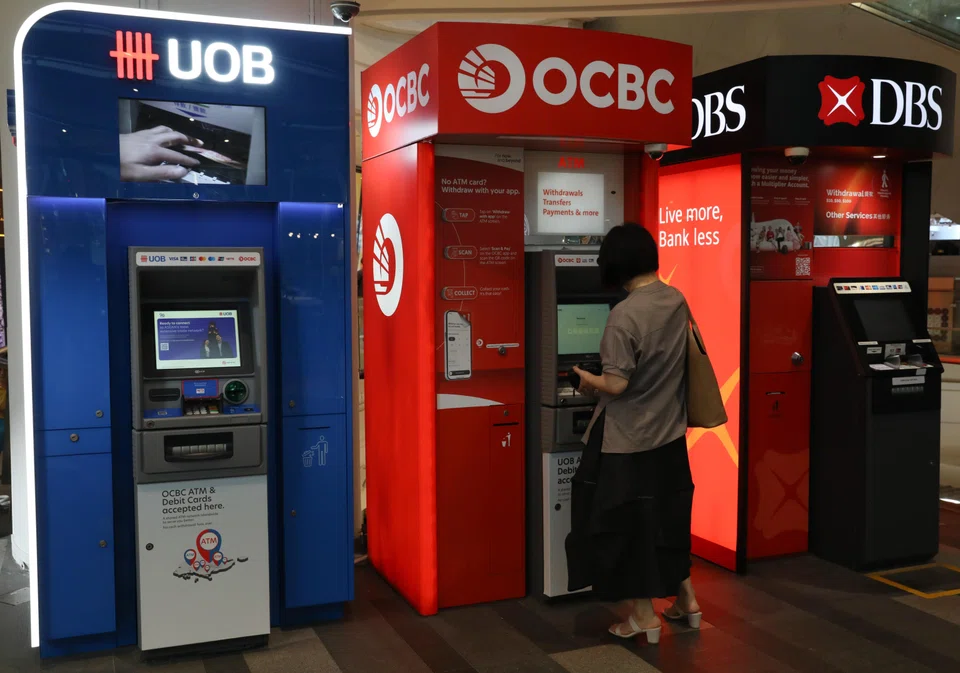
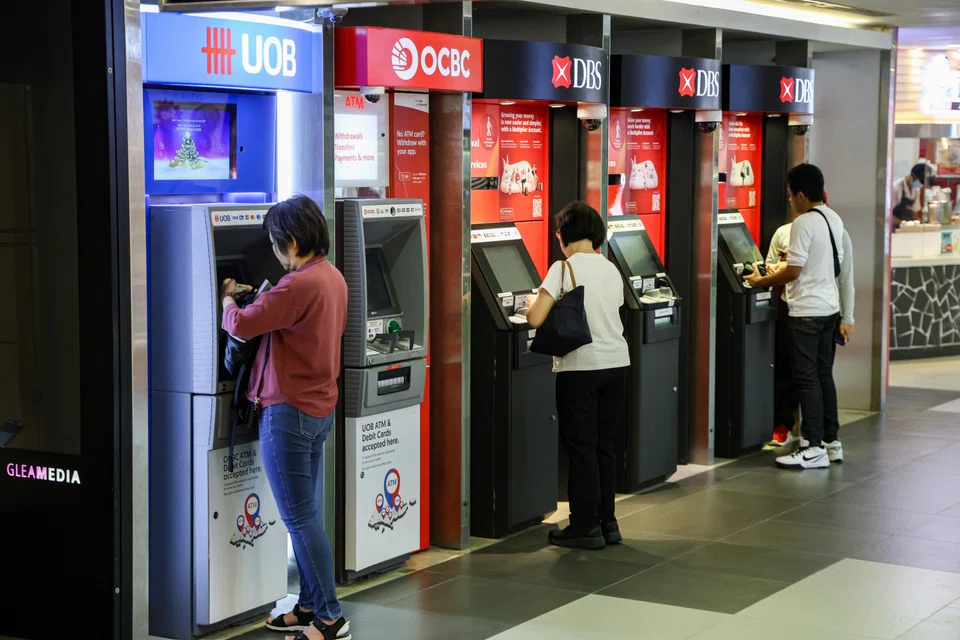
The bank also noted that Singapore equity valuations remained attractive, with the yield gap against T-bills tracking well above historical averages.
It deemed the economic outlook “broadly resilient” due to a regional tech recovery, and noted that banks have been capitalising on a 9.3 per cent surge in deposits to bolster their net income margins and wealth management growth.
JPMorgan named seven stocks as its top Singapore picks for 2026: DBS , Keppel , City Developments Ltd , CapitaLand Integrated Commercial Trust , ST Engineering , Sea and Singtel .
Conversely, it listed UOB and Yangzijiang Shipbuilding as its least preferred stocks.
Vietnam: Unlocking growth

In Vietnam, JPMorgan said the changes in public policy mattered more for fundamentals than for its potential reclassification as an “emerging market”.
The country’s “Doi Moi 2.0” era, driven by private sector elevation and a massive infrastructure push, could unlock a long duration of robust growth, said the bank.
This optimism was underpinned by a “once-in-a-decade” fiscal expansion, with public capital expenditure nearing 10 per cent of gross domestic product – comparable to China’s in the early 2000s with its infrastructure boom.
This spending is expected to drive urbanisation and broaden growth, noted JPMorgan, adding that it has an “overweight” call on industrial and materials stocks in Vietnam.
While the bank said it was bullish in the medium term, it warned of near-term headwinds such as profit-taking, currency depreciation and high-margin loans.
Its top picks for 2026 were the Bank for Foreign Trade of Vietnam, Vinhomes, Asia Commercial Bank and Masan Group.
The Philippines: Attractive balance

Maintaining a “relative overweight” call on Philippine equities, JPMorgan said that near-crisis valuations of eight to nine times price-to-earnings offered an attractive risk-reward balance.
The report noted that these depressed prices largely factored in political risks, which created buying opportunities as the economy recovered.
The analysts forecast a swift growth rebound, driven by aggressive fiscal stimulus and government spending. This constructive outlook was further supported by an accommodative central bank and a currency anchored by robust foreign reserves that hit a 12-month high of US$110 billion.
For its top stock picks, JPMorgan flagged International Container Terminal Services, BDO Unibank, Manila Electric, Ayala Land and Century Pacific Food.
Malaysia: Steady growth
In comparison to its positive outlooks for Singapore, Vietnam and the Philippines, JPMorgan remained “neutral” on Malaysia.
But it noted a key positive factor: it is set to start 2026 with one of the most stable macroeconomic profiles in Asean, with steady GDP growth of 4.6 per cent and benign inflation.
The report also highlighted potential capital inflows of about US$5 billion to US$6 billion if foreign positioning reverted to its three-year median, which would provide a significant uplift to banks and liquid large-cap stocks.
While the bank said external risks from tariff and US dollar volatility could temper exports, it continued to favour “domestic-driven and reform-aligned” sectors.
JPMorgan highlighted banks as the clearest beneficiaries of potential inflows, while data centres reinforced long-term capital expenditure visibility. Memory and AI-related exposures were also deemed “constructive”.
Indonesia: Potential for recovery

JPMorgan also reiterated a “neutral” rating for Indonesia, signalling that 2026 will be a notable year as President Prabowo Subianto’s new economic policies take effect.
The report noted that while domestic consumption has been challenged, accelerated government spending could drive a recovery to the tune of 6 to 6.5 per cent in the next two years.
Despite subdued growth expectations and light investor positioning following significant foreign outflows in 2025, the bank’s analysts said there could be a broad-based rally if expansion signals improve.
Key themes expected to drive the market include a recovery in domestic consumption, initiatives to improve total shareholder returns, and a return of foreign inflows amid global policy easing.
Thailand: Limited upside
JPMorgan maintained its view of a “capped rebound” for Thai equities, warning that the economic outlook for 2026 remained weak despite a short-term boost from fiscal stimulus in late 2025.
The bank forecast GDP expansion to slow to 1.3 per cent in 2026, weighed down by US tariffs and debt sustainability issues. The consensus earnings growth projection was roughly 4 per cent, the lowest in Asean.
The report highlighted limited room for new capital inflows, noting that local funds had already deployed significant cash to record lows, while foreign investors returned to net selling.
Political uncertainty was cited as a key obstacle preventing institutional buying, with the 2026 election viewed as a necessary clearing event to restore confidence.
Despite the challenging macroeconomic environment, the analysts remained “cautiously optimistic” on selective defensive sectors with bottom-up drivers.
They favoured Thai banks for their dividend clarity, telcos for improving margins, and the consumer staples and healthcare sectors for their earnings growth.
Decoding Asia newsletter: your guide to navigating Asia in a new global order. Sign up here to get Decoding Asia newsletter. Delivered to your inbox. Free.