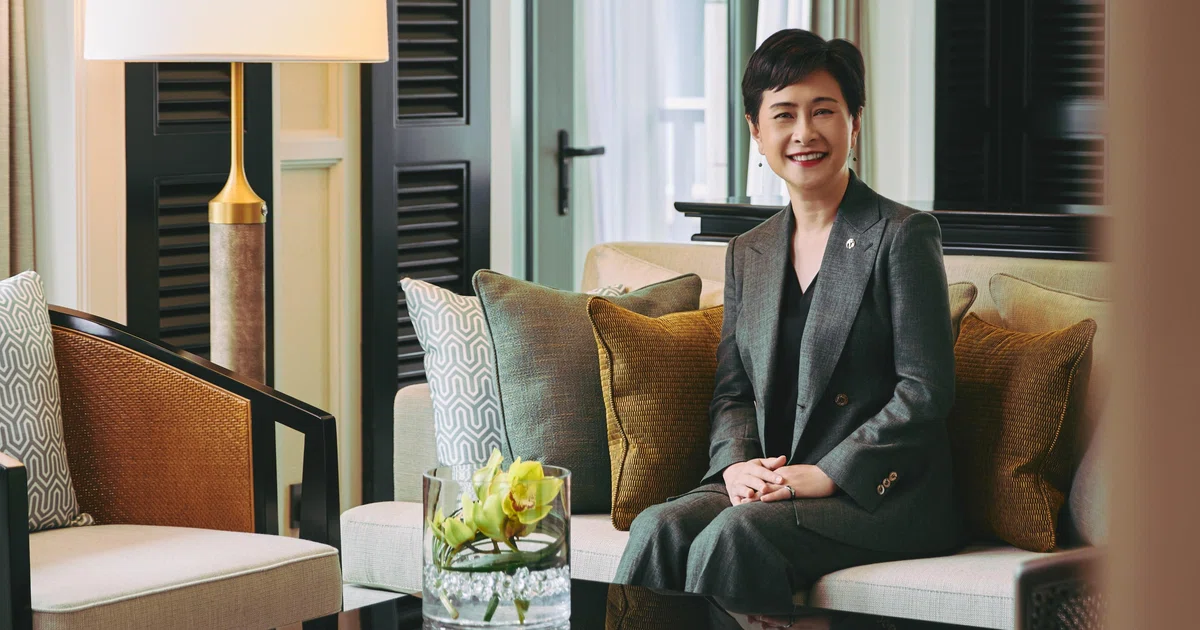
Genting veteran Lee Shi Ruh is leading the massive transformation of the Sentosa integrated resort
[SINGAPORE] There is certainly quite a different look and feel at Resorts World Sentosa (RWS) these days – all very deliberate as part of a wider, multibillion-dollar push to beef up visitor numbers and spending.
Many key areas of the integrated resort (IR) – the flagship development of Genting Singapore – underwent a significant refresh in 2025.
The Singapore Oceanarium – the former Sea Aquarium and now thrice as large after extensive renovations – opened in July to much fanfare.
On the site once occupied by the Hard Rock Hotel is The Laurus, an all-suite property developed in collaboration with Marriott International that opened in October.
And at Weave, the so-called “spine” of RWS and previously known as the Forum, thousands of visitors throng this 20,000 square metre (sq m) lifestyle and community enclave that covers three open-air levels.
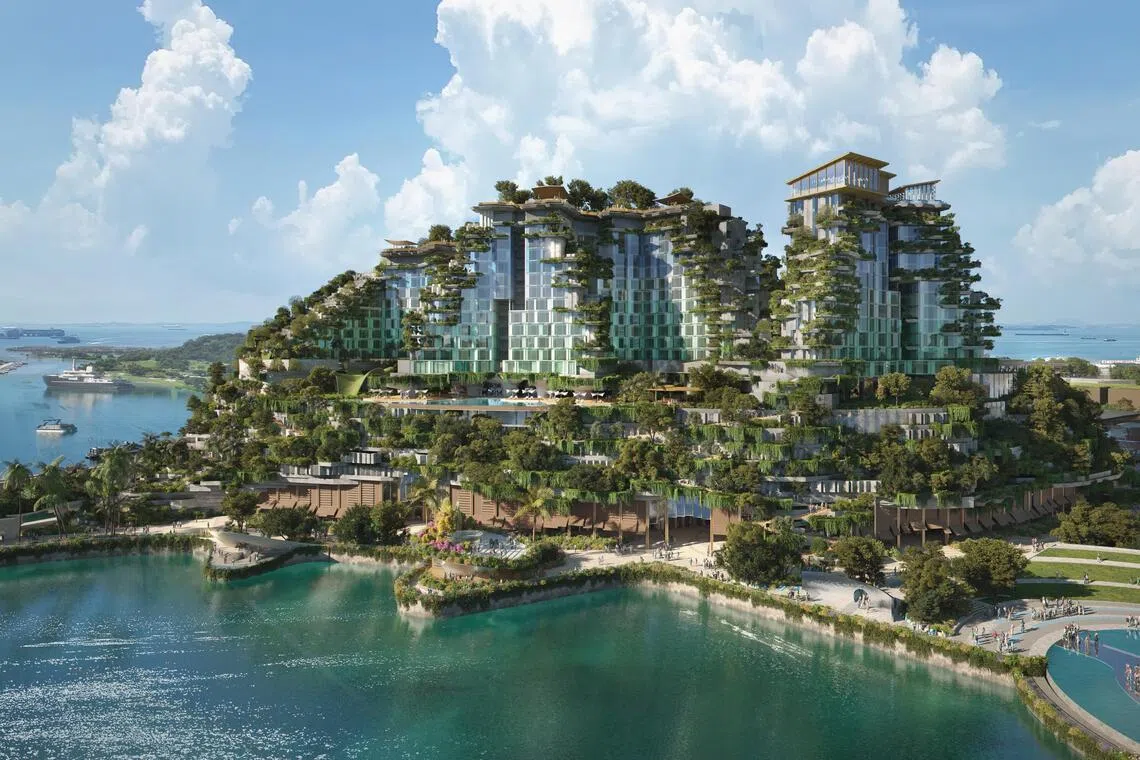
Work is also under way for a massive S$6.8 billion waterfront development at RWS, which will add more than 164,000 sq m of space to the property when it is completed by 2030. There will be two new luxury hotels with a total of 700 rooms, a four-storey retail and dining podium with entertainment offerings, and more.
Navigate Asia in
a new global order
Get the insights delivered to your inbox.
RWS 2.0 transformation
It is not just the infrastructure at RWS that has changed significantly of late.
At the management level, the IR has a new chief executive officer at the helm in the form of Lee Shi Ruh, who was appointed to the top job in May last year following the retirement of her predecessor Tan Hee Teck. Three months later, she was also named president and chief operating officer of the IR’s parent company Genting Singapore.
As she leads the transformation under what has been billed as “RWS 2.0”, Lee – who is in her late 50s and has been with the Genting Group for more than 30 years – said she wants to go all out to create “a new first impression” for visitors.
“Those who have been to RWS in the past, they have this impression of what we were about. And there are those who have never visited or perhaps not heard about us yet, we want them to see the new RWS,” the Malaysia-born executive said in her first full interview with the Singapore media since becoming CEO.
“That’s the mission we have, and that’s what’s driving my team right now – towards creating these special experiences for everyone.”
The 90-minute interview took place in a conference room at her office on the lobby level of RWS’ Hotel Michael. This hotel, along with Crockfords Tower, is slated for upgrading this year.
It may be the start of a brand new year, but Lee – a trained accountant who has held senior positions across finance, operations and corporate leadership during her time at the Genting Group – preferred not to specify exact targets for what would represent a successful 2026 for RWS.
“The long-term goal is really when the waterfront complex is open (in 2030). That said, we don’t wait until then to show people this new phase,” she said.
“I won’t say that 2026 will be the year that we achieve those targets. This year is one where we will test all kinds of different concepts and programming, hold new and exciting events, and refresh our assets.”
This, she stressed, will help ensure that RWS has a “continued relevance” to new and returning guests who seek differentiated and high-quality experiences, and to increase the amount of time they spend at the resort.
Value-for-money experiences
Asked for her take on some online comments that described Singapore as an expensive destination to visit, Lee said it is all the more imperative that major local destinations such as RWS put a premium on the guest experience.
“This is why I keep on emphasising experience, because the measurement of value is really what you get in return. People are willing to pay more if they feel it is something that can bring them joy, so how do we weigh the pricing with that level of joy?” she said.
Lee pointed to the price of a standard adult ticket to enter the Universal Studios Singapore (USS) theme park, which is currently S$83.
Singapore is home to the first and only Universal Studios in South-east Asia. Last year, a new Minion Land zone opened within the park, and there are plans to add a Super Nintendo World zone in the future.
“(The tickets are) not cheap, and it hasn’t been cheap for a long time. There are many other theme parks or places in the region, but people still come because they know the experience they get in Singapore, or at USS, is something they cannot find elsewhere,” said Lee.
As the interview drew to a close, Lee said she is almost done with putting together her senior leadership team – which comprises a good mix of executives in their 40s, 50s and 60s who each bring different perspectives to the table.
The strength of the RWS workforce is roughly at 7,500 today, and Lee said she expects to bring in more manpower in the next few years as the new waterfront development takes shape.
“We will ramp up where we can. The two upcoming hotels have 700 rooms in all, so we will need more people,” she said. “In Singapore, the labour market is very tight, and we are mindful of that. We are also looking to see how we can use technology to help with some of the processes, without compromising on the guest experience.”
Genting Singapore, which is listed on the mainboard of the Singapore Exchange, had a 19 per cent year-on-year increase in net profit to S$94.6 million for the third quarter ended Sep 30 last year. Revenue came in at S$649.8 million, an increase of 16 per cent from the S$561.9 million posted for the year-earlier period.
Genting Singapore’s share price closed unchanged at S$0.73 on Friday (Jan 16).
The company is due to report its fourth-quarter and full-year earnings on Feb 24.
Decoding Asia newsletter: your guide to navigating Asia in a new global order. Sign up here to get Decoding Asia newsletter. Delivered to your inbox. Free.