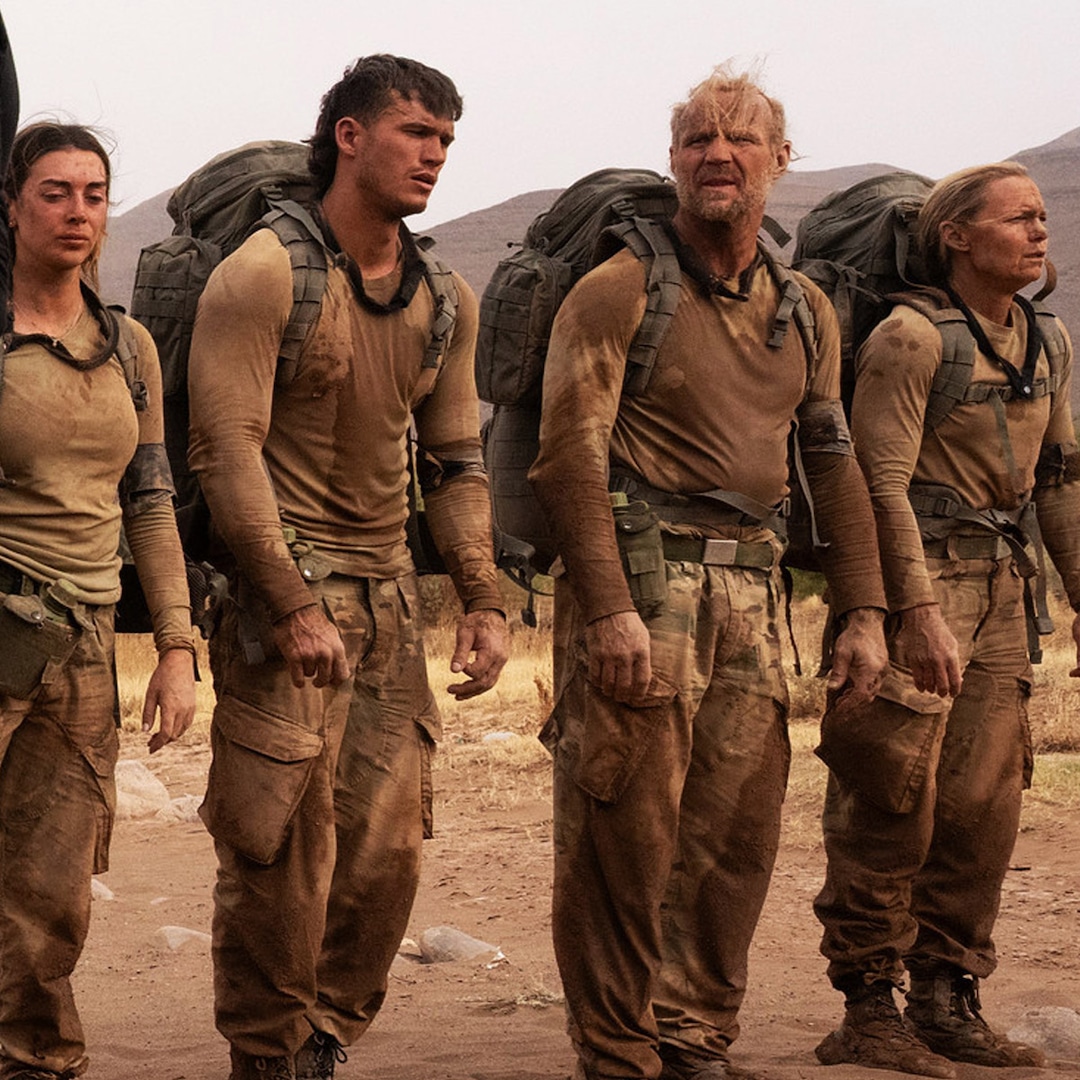
These athletes may not have won medals, but they won the hearts of Canadians who cheered them on, watched them represent Canada or take part in games hosted by the country.
As this year’s Games get underway in Italy, here’s a look back at the competitors whose stories have left a mark on Olympic history.
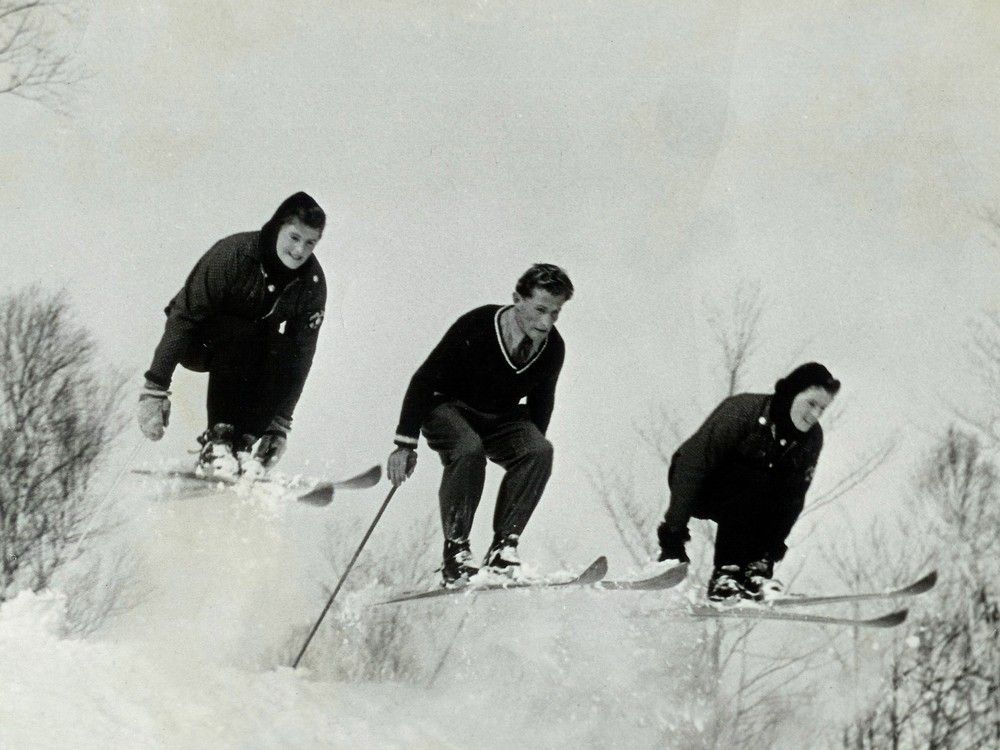
Rhoda and Rhona Wurtele: St. Moritz 1948
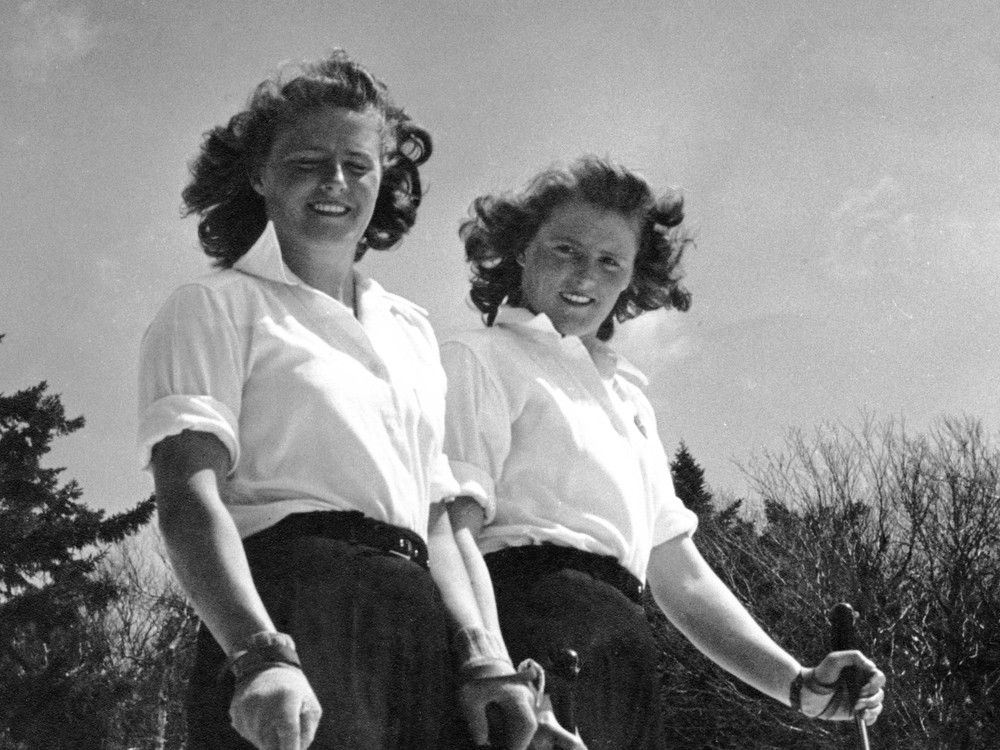
They may no longer be household names, but these Canadian twins were pioneers of alpine skiing for women in the country. Famously known as “The Flying Twins,”
and
Wurtele were the only two women to compete in the sport for Canada at the 1948 Winter Olympic Games in St. Moritz, Switzerland. The sisters from Montreal didn’t medal at the games due to injuries; however, they went on to leave their marks on the sport.
Leading up to the Olympics, they had both won several North American championships since joining the Canadian national team in 1942. The duo were always adventurous and seemingly fearless in their endeavours. At the ages of 11, their older brothers challenged them to ski off of a 40-metre jump,
in 2017. The press got wind of what they were doing and wanted to a photo of them completing the risky task, but their mother insisted against it. “Ski jumping was not considered ladylike,” said Rhoda.
They continued skiing nonetheless.
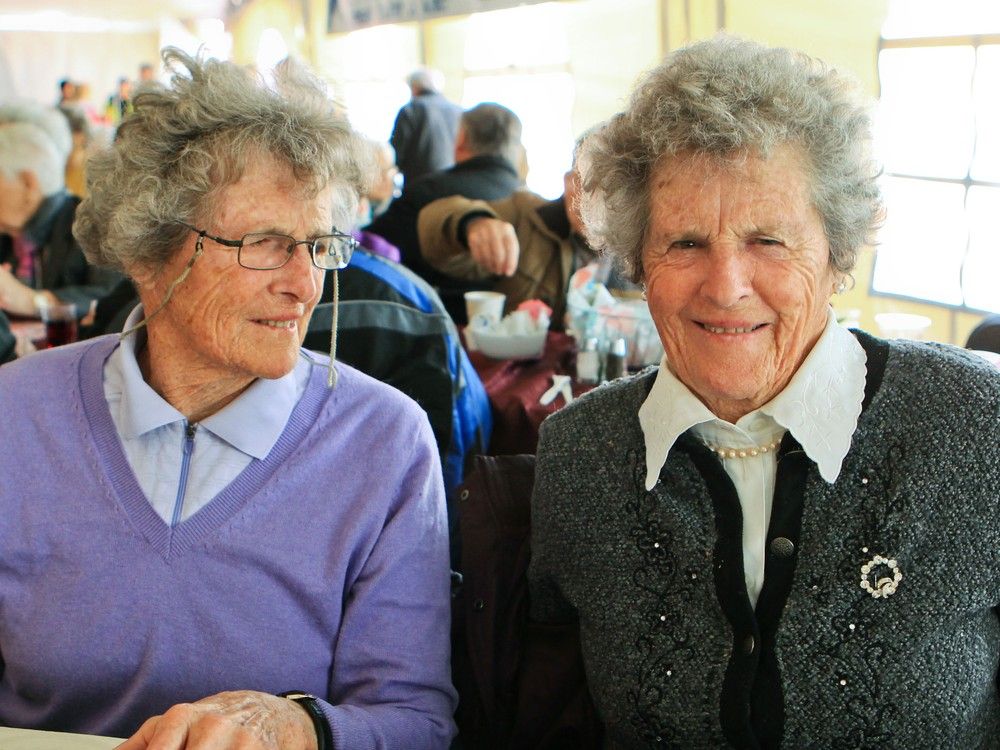
After their Olympic debut, Rhoda competed in the 1952 Winter Olympic Games in Oslo, Norway. She placed ninth in the giant slalom tournament. But more than medals, they inspired a generation and left an “indelible mark on alpine skiing for Canadian women,”
according to the Canadian Ski Hall of Fame & Museum
.
They both became teachers and taught for more than 50 years with the Canadian Ski Instructors Alliance. They were inducted into the Canadian Ski Hall of Fame in 1982.
“Go after your sport,” said Rhoda,
in 2018. The sisters said they didn’t take into account what male athletes made of them at the time. “It didn’t matter what they said. We did what we liked.”
“Women were thought of as Class B,” said Rhona. “We had to fight our way along.”
Rhona died at 97 in 2020, while Rhoda turned 104 on Jan. 21.
Eddie the Eagle: Calgary 1988
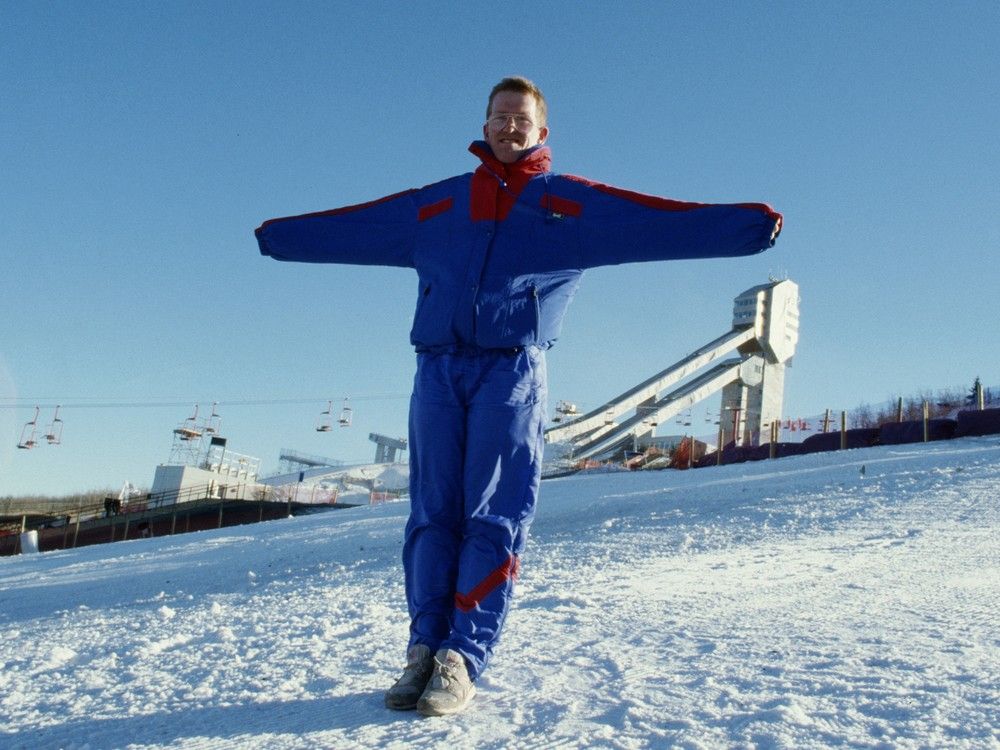
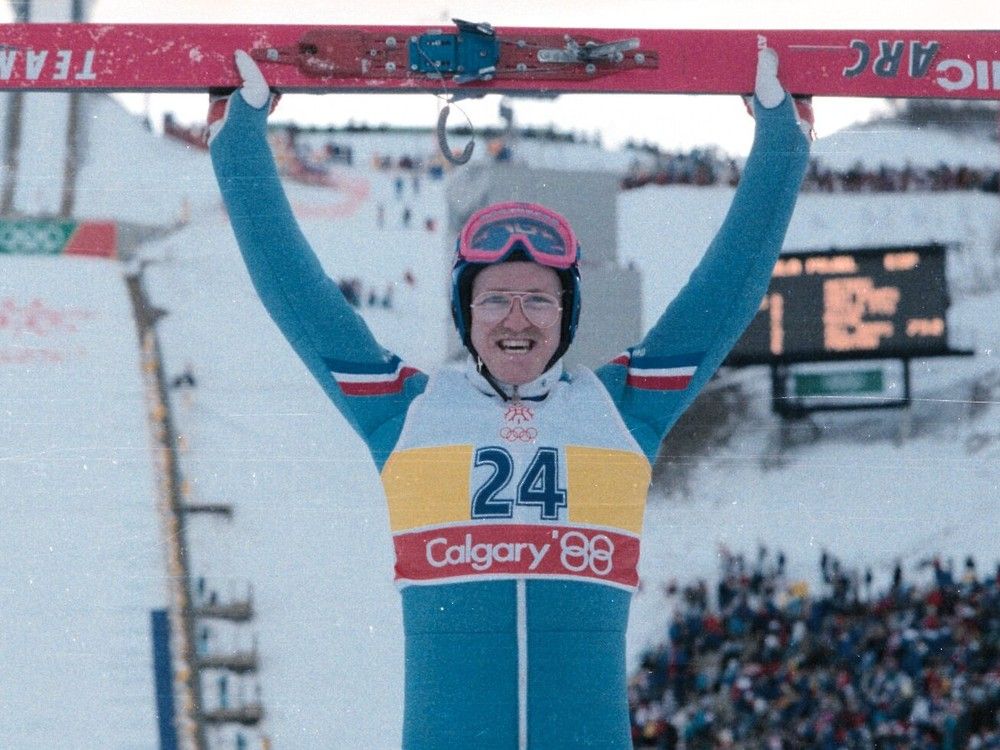
Michael David Edwards, better known by his nickname Eddie the Eagle, became a symbol of perseverance while he competed as a ski jumper in the 1988 Winter Olympics in Calgary, Alberta. Despite his last-place performance, he was a crowd favourite. His zest for life and positive attitude charmed Olympic on-lookers. He told reporters in Calgary at the time that he had only been doing the sport for about two years, according to the Vancouver Sun. He was dubbed a “hero without a medal” by the Ottawa Citizen.
“At the time there was a rule that a country could send one representative to each sport in the Olympics. I loved skiing and as a kid I wanted to be a stuntman, so I decided to put them together,” he
. The British Ski Federation gave him the green light because, “Nobody else applied,” he said. He was the
to take part in ski jumping.
He was even
by Frank King, the head of Calgary’s organizing committee, in the closing ceremony speech. “At these Games, some competitors have won gold, some have broken records and some of you have even soared like an eagle,” said King.
His life became the subject of a 2016 film, Eddie the Eagle, starring Taron Egerton.
Jamaican bobsleigh team, Calgary 1988
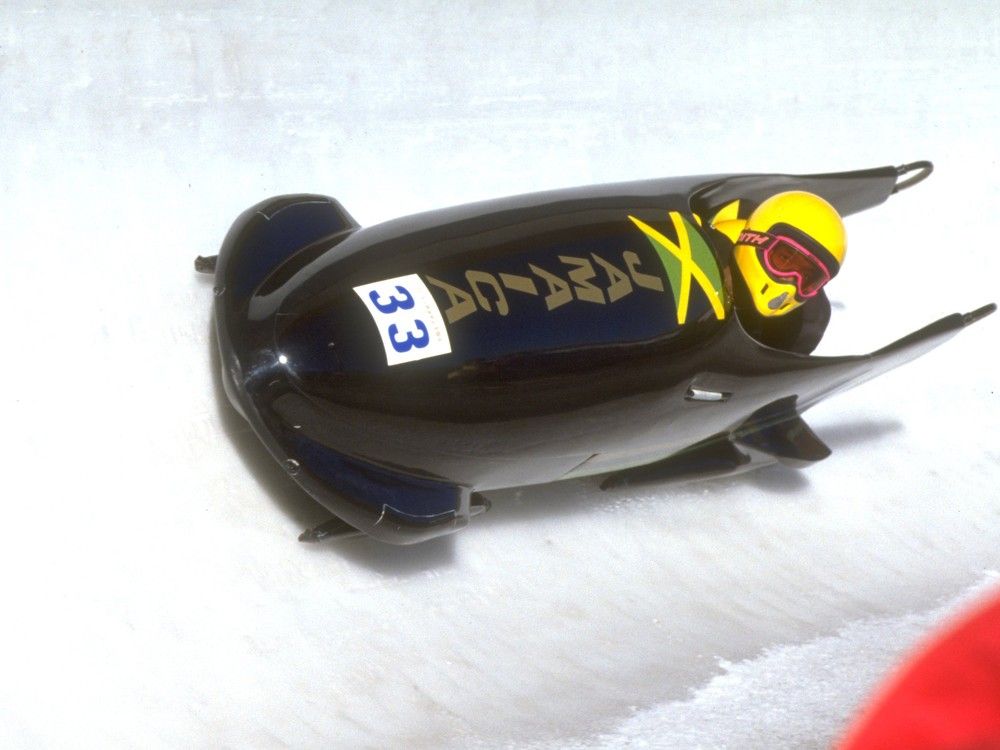
The members of the Jamaican bobsleigh team became legends after stepping from the sands of the Caribbean island and onto the snow at the 1988 winter games in Calgary. It was the first time Jamaica would be represented in the sport, with athletes Dudley “Tal” Stokes, his brother Chris Stokes, Michael White and Devon Harris at the helm.
Their training began only five months before the Winter Games,
.
Chris ended up on the team after another athlete got injured. He explained that so many people felt a connection to the Jamaican team, despite their loss. They crashed in the third of four rounds, and
received a “Did Not Finsh” (DNF)
result.
“It’s not time on the ice. It’s an idea that regardless of where you’re from or your circumstances or who your parents were, you can move yourself into other places, you can make more of yourself. You can do more than you thought, more than people around you expect,” Stokes said.
The Jamaican team was the inspiration behind the iconic 1993 sports comedy, Cool Runnings, starring the late Canadian icon John Candy.
Gilmore Junio: Sochi 2014, Pyeongchang 2018 and Beijing 2022
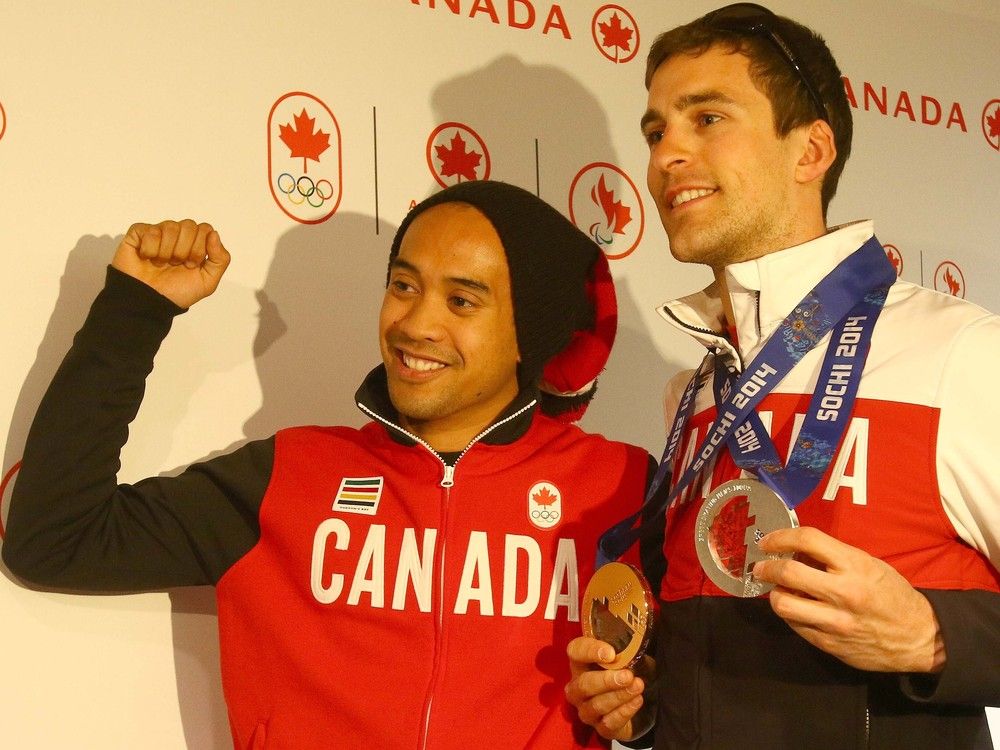
In an act that took Canadian politeness to the next level, speed skater Gilmore Junio gave up his spot for another teammate at the 2014 Winter Olympics in Sochi, Russia. It was the athlete’s first Olympics. Fellow Canadian Denny Morrison had fallen during the 1000-metre race at Canadian trials and missed the automatic qualification. So, coaches asked Junio a day before he was to compete if he would “give his spot to Morrison for the ‘benefit of Team Canada,’”
.
The considerate act became an example of sportsmanship and national pride. After Junio removed himself, Morrison won silver.
“It’s awesome to share a story with someone who is a really good friend and someone who is a mentor,” he said, speaking to
National Post about the experience in 2017
. However, he added that he was ready to prove himself as an athlete. He said he was ready to show that he can be “pretty fast” — “and not just pretty nice.”
Since then, he has gone on to compete in two more Olympics: Pyeongchang in 2018 and Beijing in 2022.
Fastforward to January 2025. The story came full circle when Morrison
bequeathed his silver medal to Junio
, saying that he wouldn’t have the medal without him.
“I was really surprised,” Junio said, the Canadian Press reported. “Denny has been one of my best friends for a long time, so to get this from him means a lot.”
Shannon Abeda: Pyeongchang 2018 and Beijing 2022
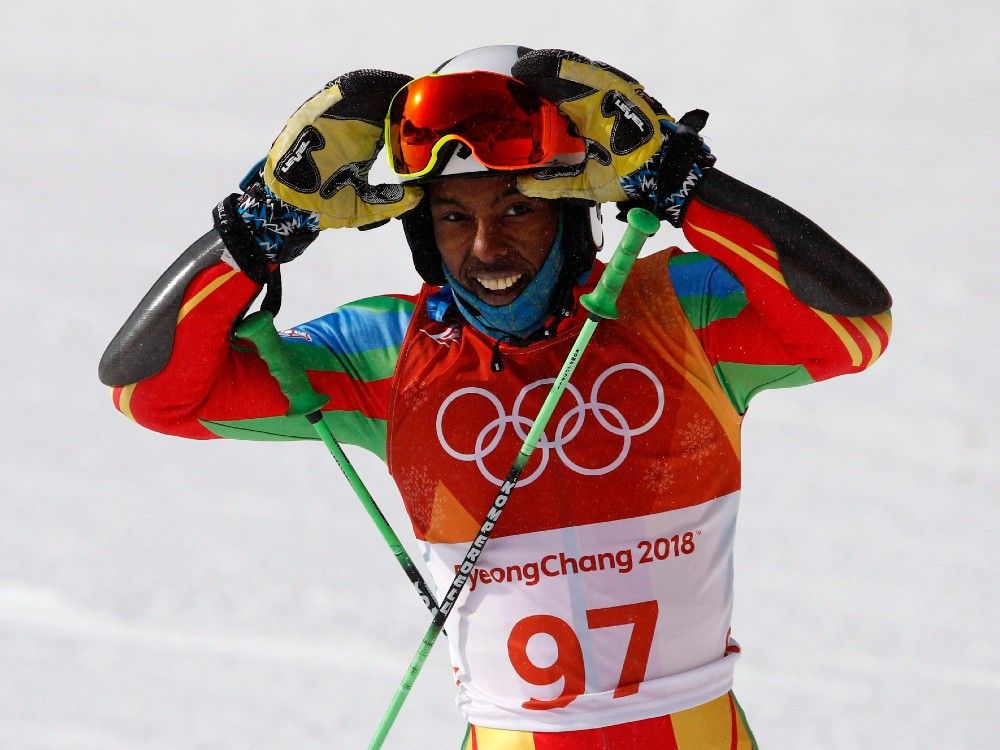
Shannon Abeda was
born in Fort McMurray, Alberta
, where his parents moved to from the northeastern African country of Eritrea. The family later moved to Calgary. Abeda grew up skiing in the Canadian Rockies.
His story served as an inspiration to Canadians and the African community alike when he made history at the 2018 Winter Olympics in Pyeongchang, South Korea. He was the first athlete to represent Eritrea at the winter games, competing in alpine skiing.
Although he didn’t medal in 2018 — he finished 61st in the giant slalom and did not complete the slalom event — he
that competing on the world stage with other athletes like himself made him feel less alone. “Growing up I did struggle to see my place in this (skiing) community, because I definitely stuck out. And there were comments made, unfortunately, so I was well aware of my difference,” he said.
He returned for the 2022 Winter Olympics in Beijing, China. Despite not medalling again, he worked his way up to 39th place in the giant slalom. This year’s Olympics will be his final one. “I’m going to be 30 next year, I envisioned different things in my life at this point, and I’m not ashamed of that,” he said, adding that he wanted to focus on family and his professional career as an engineer.