Syria Processes First International Card Payment In 15 Years
Mastercard and QNB Group have completed Syria first international card transaction in more than 15 years, a milestone for the country reconnecting payments system.
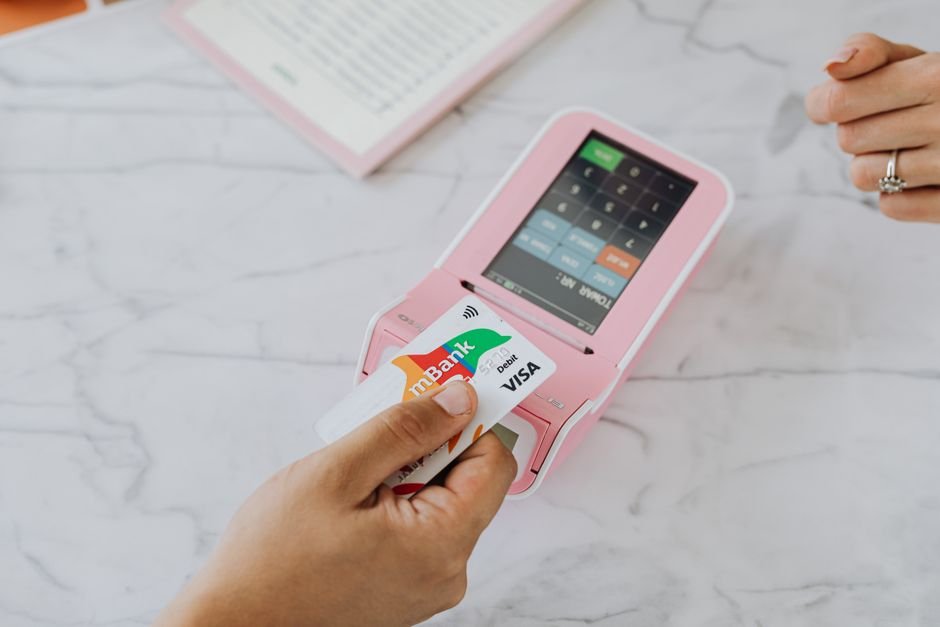
Syria has completed its first international card transaction in more than 15 years, marking a significant step toward reconnecting the country’s financial system with global markets. The payment was processed by Mastercard and the QNB Group, following the technical reintegration of Syria’s national payments infrastructure into Mastercard’s worldwide network.
The transaction took place at a point-of-sale terminal at an approved local merchant in Damascus, where QNB Syria processed a payment made using an internationally issued Mastercard card. The Governor of the Central Bank of Syria, Mohammed Safwat Raslan, personally conducted the transaction, which was witnessed by senior executives from both Mastercard and QNB Group, according to the companies’ joint announcement dated August 29, 2026.
Officials described the moment as more than symbolic. Raslan called it an important step toward modernizing the country’s payment ecosystem, emphasizing that the achievement demonstrates the value of public-private cooperation in enabling secure international payment processing, supporting trade, and encouraging sustainable economic development. Yousef Mahmoud Al-Neama, Group Chief Business Officer at QNB Group, said the transaction represents a milestone in the evolution of Syria’s payments landscape, allowing merchants to offer customers greater choice while supporting a shift toward a more modern and secure digital payment system.
Adam Jones, Mastercard’s division president for West Arabia, characterized the transaction as proof that the infrastructure built to support acceptance of internationally issued Mastercard cards in Syria is now operational. He said the companies view the payment as a foundational step toward broader access to global payment networks and wider card acceptance across the Syrian market. Mastercard said it intends to continue working with the Central Bank of Syria, local financial institutions, and other ecosystem partners to expand digital payment adoption and further modernize the country’s financial infrastructure.
The development comes as Syria’s banking sector has remained largely cut off from major international payment networks for well over a decade amid sanctions and prolonged conflict. Reconnection to global card networks such as Mastercard’s is often viewed by economists as a prerequisite for attracting foreign investment, supporting tourism, and enabling local businesses to participate in cross-border commerce. Without such connectivity, merchants and consumers are typically limited to cash transactions or informal payment channels, which can slow economic activity and complicate international trade relationships.
For global payment networks, re-entering previously isolated or sanctioned markets is a gradual process that typically involves rebuilding technical infrastructure, securing regulatory approvals, and establishing partnerships with local banks capable of managing compliance and risk. QNB Group, which operates across more than two dozen countries in Asia, Europe, and Africa, has positioned itself as a regional partner capable of bridging local banking systems with international financial networks. Analysts who track emerging and reconstruction-stage economies often point to early card-acceptance milestones like this one as indicators of broader financial normalization, though full integration usually takes years and depends on continued regulatory and geopolitical stability.
Mastercard, which operates in more than 200 countries and territories, said it remains committed to building what it describes as a more connected, secure, and inclusive payment environment in Syria, with further expansion of merchant acceptance expected to follow in subsequent phases.
This report is based on information from a press release originally distributed via PR Newswire.