Politics
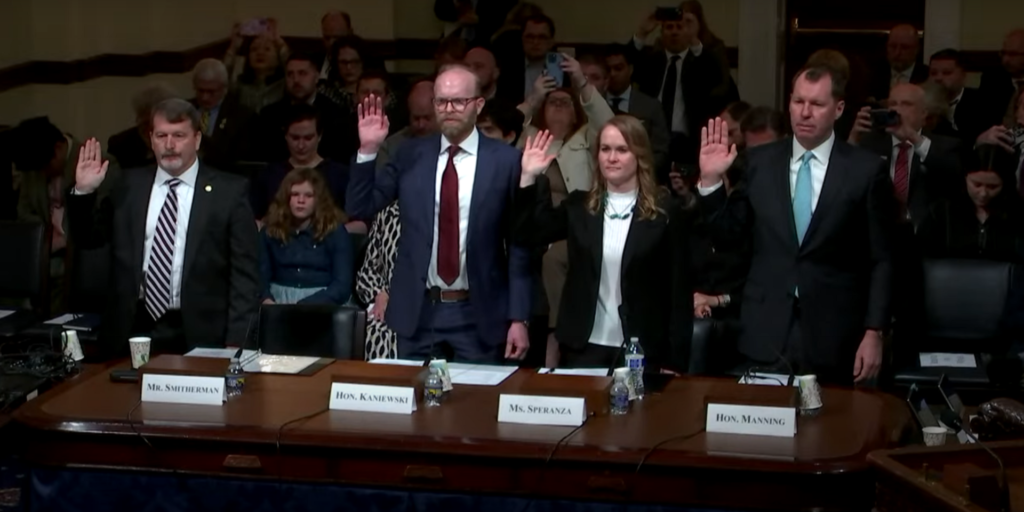
Why Mamdani Enlisted Unions to Fix New York City’s Civil Service Hiring
Key takeaways New York City's civil service hiring takes 15 to 18 months from exam to start date, amid a citywide vacancy rate of about 4.5 percent DC37 and other...

Why Article 27 Gives Five UN Powers an Absolute Veto
Key takeaways Article 27(3) requires nine affirmative votes plus all five permanent members' approval for substantive Security Council decisions A single permanent member's no vote blocks a resolution entirely, even...
Why the U.S. Suspended Consular Services in Brazil Two Days Before Its Election
Key takeaways U.S. consular services suspended and Australia's embassy closed two days before a tight presidential race between leftist Lula and right-wing senator Flávio Bolsonaro Brazil's federal police found no...

What the Protect College Sports Act Sets for NIL Pay and NCAA Rules
Key takeaways The U.S. Senate is scheduled to vote today on the Protect College Sports Act, a bipartisan bill led by Senator Ted Cruz of Texas and Senator Maria Cantwell...
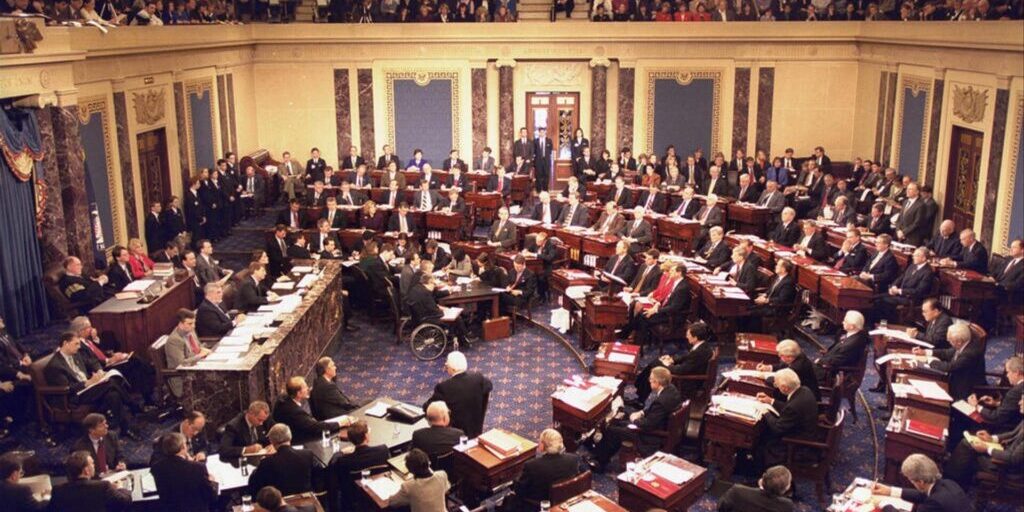
Why the Senate’s 60-Vote Filibuster Rule Shapes the Spending Fight
Key takeaways The filibuster allows a Senate minority of 41 senators to block any bill indefinitely unless 60 senators vote for cloture to end debate In 1975, the Senate reduced...
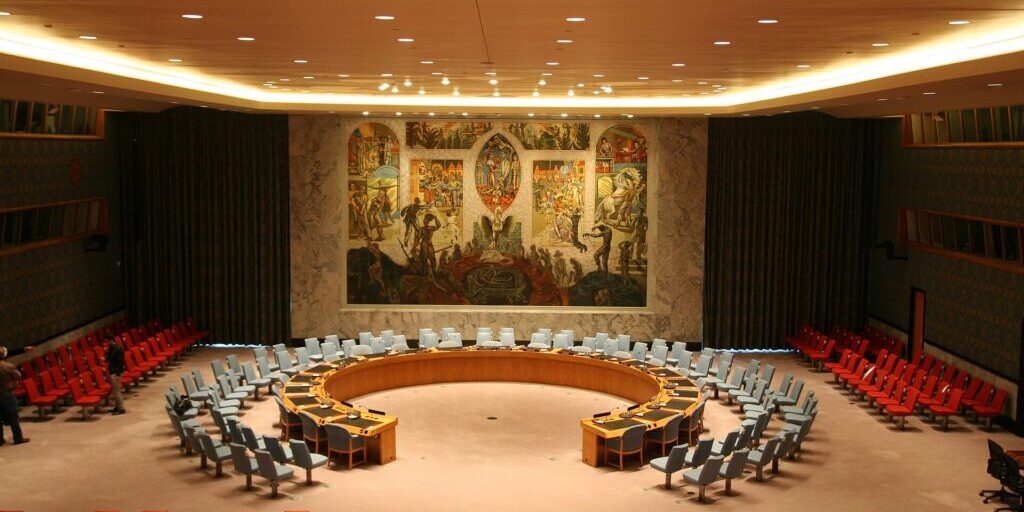
Why the UN Security Council Brought Rival AI Labs to the Same Table
Key takeaways The UN Security Council held a briefing on frontier AI with developers from OpenAI, Anthropic and Chinese labs, signaling AI is now a security matter. The US and...
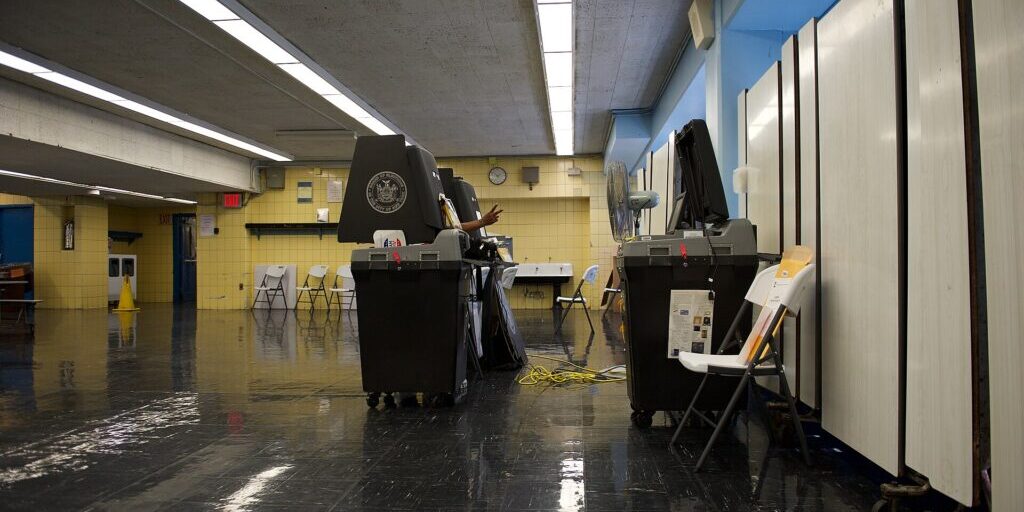
How New York City’s Ranked-Choice Voting System Works in Mayoral Elections
Key takeaways Voters can rank up to five candidates in order of preference, with only one candidate selected per ranking position If no candidate receives over 50% of first-choice votes,...