
What New York City’s Racial Equity Plan Asks of City Agencies
Key takeaways
- The plan sets eight dated goals covering broadband, jobs, housing, education, transit, jails and maternal health, each assigned to a lead city agency.
- It stems from 2022 charter amendments that voters approved by about 70 percent, which also created an independent Commission on Racial Equity to monitor compliance.
- The city missed its first racial-equity plan deadline in 2024, and a civil rights lawyer says the new plan’s jail-reduction goal lacks a clear implementation path.
Mayor Zohran Mamdani released New York City’s first Citywide Racial Equity Plan on September 1, 2026, setting eight measurable goals for how city government will change by 2034. The plan spans nearly every function of city agencies, from job-training offices to jail housing units, and was shaped with input from 45 agencies under the Mayor’s Office of Equity and Racial Justice, known as MOERJ.
The final plan follows a preliminary version released in April 2026 and a 30-day public comment period. It contains more than 200 agency-level goals, more than 800 strategies and 600 indicators the city says it will use to track progress, with the independent Commission on Racial Equity, or CORE, overseeing implementation.
A Mandate Rooted in a 2022 Ballot Vote
In November 2022, New York City voters approved three ballot measures, each with roughly 70 percent support, that added a preamble to the city charter centering racial equity, created MOERJ, and required the city to publish a racial equity plan every two years addressing disparities in health, education, policing and other areas. The same amendments created CORE to serve as an outside check on the process.
Deadlines under that mandate slipped before this year’s release. A first draft plan due January 16, 2024, was not published on schedule, and an annual true-cost-of-living report due that March also missed its deadline. City officials cited hiring needs and delayed commission appointments; CORE’s chair was not named until October 2023, and most commissioners were not announced until May 2024. Those obligations remained unmet through the rest of the Adams administration; the preliminary plan and the city’s first true-cost-of-living measure were not released until April 2026, under Mayor Mamdani, whose office said he was fulfilling an obligation left unmet by the previous administration.
By the Numbers
The plan reports that Black New Yorkers make up a disproportionate share of jail admissions and pregnancy-related health complications: 88 percent of the city’s jail population is Black or Latino, and severe maternal morbidity among Black mothers reached 457 cases per 10,000 births.
Eight Goals, One 2034 Deadline
The preliminary plan released in April organized the city’s commitments into seven broad domains covering children and families, the economy, housing, infrastructure, health, community safety and government operations. The final plan issued in September consolidates those commitments into eight specific, dated goals: expanding home broadband adoption in under-connected neighborhoods; reducing unemployment among Black, Latino and Asian American residents; increasing affordable housing production; narrowing achievement gaps in early childhood education; increasing integration in K-12 schools; improving bus service in underserved neighborhoods; reducing the jail population; and improving pregnancy-related health outcomes for Black New Yorkers.
Each goal names a lead agency. MOERJ says it will report publicly on progress toward all eight every two years, alongside the plan’s larger set of agency-level goals and indicators.
What It Means for Jobs and Housing
On employment, the plan cites a citywide unemployment rate of 8.5 percent for Black New Yorkers, 6.8 percent for Latino New Yorkers and 4.9 percent for Asian American New Yorkers, compared with a lower rate for white residents. To address the gap, the plan directs the Department of Small Business Services to register 5,000 jobseekers in the city’s Workforce1 system by 2028 and the Department of Citywide Administrative Services to review about 150 civil service job titles for outdated qualification requirements that the plan says restrict access to city employment; the New York City Housing Authority and the Economic Development Corporation are also assigned strategies under the goal.
On housing, the Department of City Planning is assigned to use zoning changes under the “City of Yes for Housing Opportunity” initiative, which the plan says create zoned capacity for 82,000 homes, while the Department of Social Services is assigned to produce 1,000 deeply affordable homes by the end of 2026.
Civil rights lawyer Ron Kuby said the plan’s criminal justice section was “heavy on the goal and light on the plan.”
What It Means for Health and the Jail System
The plan’s health goal targets pregnancy-related outcomes specifically. It states that Black maternal mortality in the city runs at 2.4 times the citywide rate, and that severe maternal morbidity among Black mothers reached 457 cases per 10,000 births. The Department of Health and Mental Hygiene and NYC Health + Hospitals are directed to invest in place-based strategies aimed at what the plan calls health care segregation and to expand access to primary and specialty care.
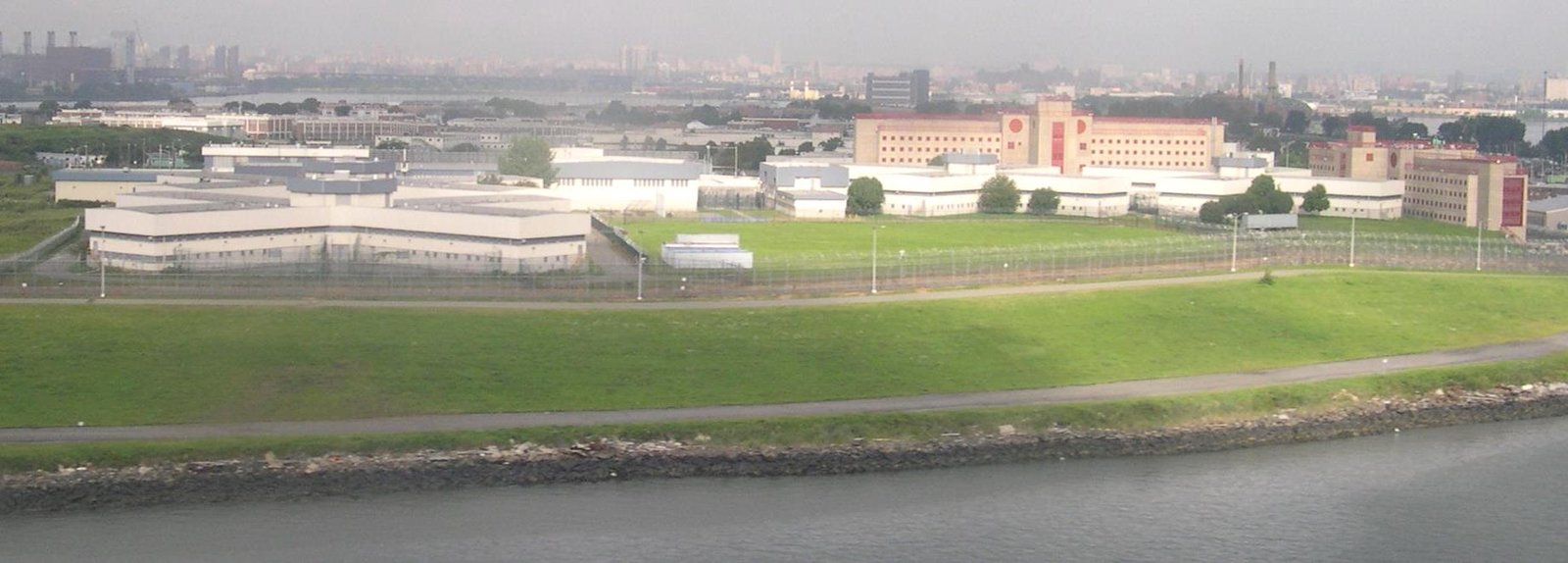
On criminal justice, the plan cites data showing 88 percent of the city’s jail population is Black or Latino, with a median stay of about 138 days. The Department of Correction and the Mayor’s Office of Criminal Justice are assigned to reduce the jail population, continue the transition to borough-based jail facilities, and expand diversion and alternative-to-incarceration programs while tracking equitable access to them.
Accountability, Skepticism and What Comes Next
Mamdani framed the goals as enforceable commitments at the plan’s release. “These commitments are specific, measurable and public, and New Yorkers should hold us accountable for delivering on them,” he said, according to the mayor’s office. Chief Equity Officer Afua Atta-Mensah said the release marked “the beginning of implementation, not the end of planning.”
Not everyone is convinced the specificity extends to the jail-population goal. Civil rights lawyer Ron Kuby said the plan’s criminal justice section was “heavy on the goal and light on the plan,” and called it remarkably light on how the reduction would actually happen. City Council Deputy Speaker Nantasha Williams said the plan’s success would ultimately be measured by “whether New Yorkers can see and feel meaningful change,” and Public Advocate Jumaane Williams said his office would “track and advocate for progress toward these goals.”
The city has missed racial-equity deadlines before, including the first plan draft and the initial true-cost-of-living report, both required under the 2022 charter amendments. CORE is charged with reviewing agency compliance going forward, and MOERJ’s first public progress report under the new plan is due in two years.
Photo: User Sfoskett on en.wikipedia : cropped by Beyond My Ken ( talk ) 01:56, 11 Apri · CC BY-SA 3.0 · via Wikimedia Commons
