Two tankers struck near Oman and Hormuz as Brent stands at $106.80 on 12 October
Attacks on tankers near the Strait of Hormuz continued into mid-October, with Brent at $106.80 on 12 October and freight rates climbing.
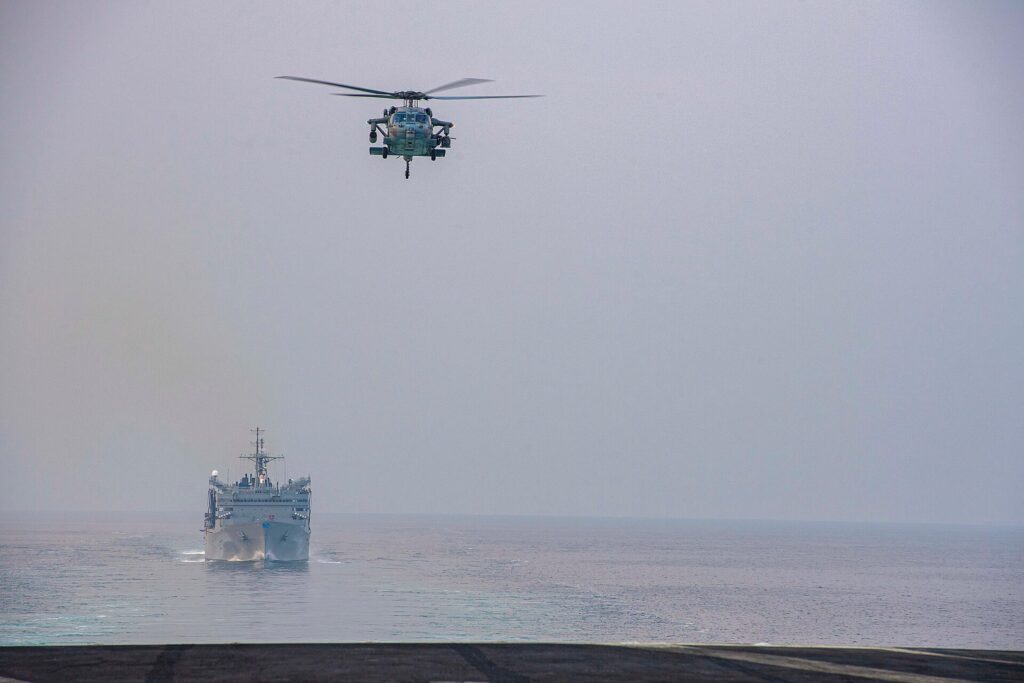
Attacks on tankers in and around the Strait of Hormuz were still under way in mid-October 2026. As of 12 October, Oilprice.com reported that two tankers had been struck near Oman and in the strait over the weekend before 12 October, and that Brent crude was at $106.80 a barrel on Monday morning, up 2.00%.
The JMIC, as cited by Seatrade Maritime, reports ongoing attacks, attempted attacks and harassment by Iran’s Islamic Revolutionary Guard Corps (IRGC) in the strait. Iran says it still effectively controls the waterway and disputes that oil flow through it has increased.
Tanker strikes continue through early October
Seatrade Maritime reported that the Kuwait-flagged very large crude carrier Kazimah III was attacked in the strait on 1 October, and that all crew were reported safe.
Seatrade counted four tankers attacked within 24 hours on 28 and 29 September, and at least 16 attacks on vessels in the strait during September, most of them tankers. Al Jazeera, citing the shipping intelligence service Marisks, counted at least seven tanker incidents in the week before 6 October.
Al Jazeera also reported that the UK Maritime Trade Operations (UKMTO) had logged at least one attack a day in the strait or the Gulf of Aden since 2 October. Before the war, about 125 large commercial vessels passed through the strait each day, Al Jazeera reported.
Brent on 12 October
Brent crude was $106.80 a barrel on the morning of 12 October 2026, up $2.09 (2.00%), according to Oilprice.com data.
Crude prices and the supply cushion
Brent fell 0.75% to $99.57 a barrel on Tuesday, 6 October, Al Jazeera reported, while WTI fell 1.2% to $88.37, according to Oilprice.com data. By Monday, 12 October, Brent had risen to $106.80, according to Oilprice.com data. An analyst at PVM Oil Associates, Tamas Varga, told Al Jazeera that oil prices were around $72 a barrel before the war.
G7 members announced they would release up to 100 million barrels of strategic oil reserves, Al Jazeera reported. Kpler estimates that about 40% of exports now bypass the strait. Oilprice.com reported that Goldman Sachs raised its December Brent forecast to $90 from $85.
Saudi Aramco chief executive Amin Nasser said nearly 3 billion barrels of supply have been lost since the conflict began, and that rebuilding inventories could take up to two years, Al Jazeera reported.
Freight costs, crew safety and household links
Seatrade reported that very large crude carrier voyage rates through Hormuz have exceeded $1 million a day. Chris Beauchamp of IG Group told Al Jazeera that the shuttle system needs plenty of ships. Al Jazeera reported that this demand has pushed freight costs higher and reduced tanker availability elsewhere.
Seatrade also reported that the Philippines and India are pressing over seafarer safety after injuries and deaths. Al Jazeera reported that 12 crew were injured on a Panama-flagged tanker on 6 October, and that India’s Ministry of Foreign Affairs confirmed the injuries.
Oil prices were around $72 a barrel before the war, and tanker attacks have added to shipping costs.
Competing claims and what comes next
Iran has called the volume of traffic passing the strait “negligible”, Al Jazeera reported, and claims it still effectively controls the waterway.
US President Donald Trump credits US forces with protecting shipping and claims Washington controls the strait, Al Jazeera reported. US Central Command says thousands of ships and about 1 billion barrels of oil have transited the strait in recent months, Seatrade reported.
Traffic counts also differ. The JMIC noted that independent tracking data indicated single-digit transits in both directions, while US NCAGS data indicated about 30 vessel transits a day over the prior 96 hours, Seatrade reported on 2 October.
Nasser warned that the effects of the disruption could last well beyond any reopening of the strait, even if it happens. Varga said current flows could be maintained as long as the transfer methods and routes remain secure, and that only a sustainable and credible peace deal between the US and Iran would re-establish the pre-conflict status quo, Al Jazeera reported.
Photo: U.S. Navy photo by Petty Officer 3rd Class Janae Chambers · Public domain · via Wikimedia Commons