Playoff Finish, Strength of Schedule and a Coin Toss Set NFL Draft Order for 2027
The NFL sorts teams by playoff finish, then uses strength of schedule, head-to-head results and a coin toss to order ties before the April 2027 draft.
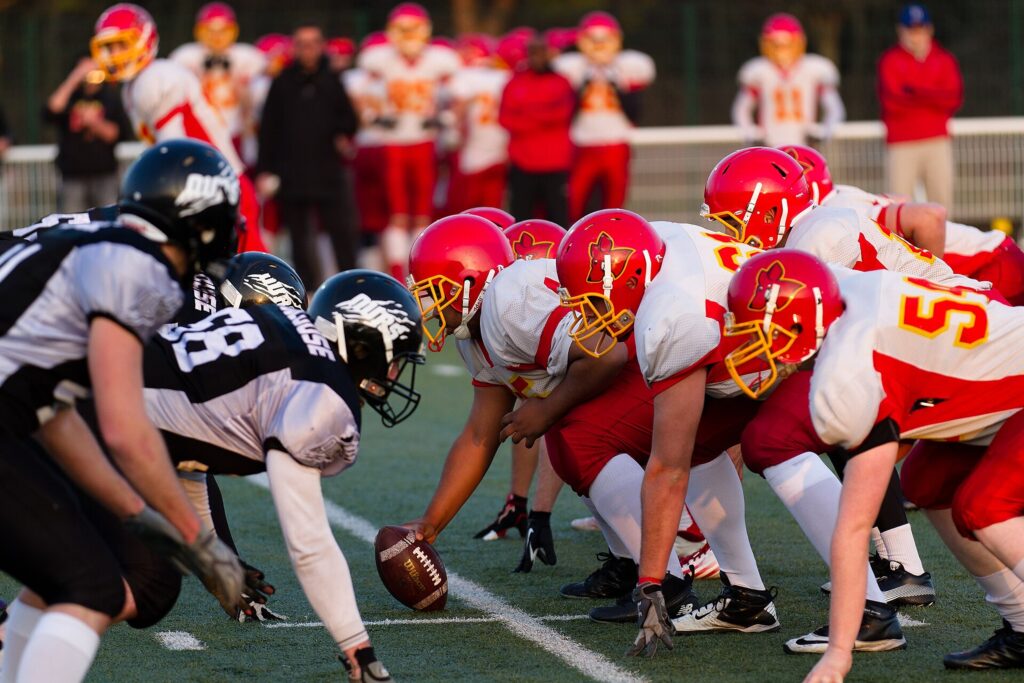
NFL draft order is set by a written tiebreaker procedure. Teams are first sorted by how far they went in the playoffs, and ties inside each group are then resolved by a fixed sequence of steps. The procedure covers all 32 first-round picks and the rounds that follow. A coin toss is the last step in each two-club sequence, used only when all earlier steps leave clubs tied.
The 2027 draft is set for April 29 to May 1, 2027, in Washington, D.C. A third-party analysis describes the 2025 draft order as based on the 2024 season.
Playoff Groups Set the Broad Order
The NFL places all 32 clubs into groups before any tiebreaker is applied. Non-playoff teams hold picks 1 through 18, ordered from the worst record to the best. Wild Card round losers pick 19 through 24, divisional round losers pick 25 through 28, and the two conference championship losers pick 29 and 30. The non-playoff group holds 18 picks, more than any other group.
Within the playoff groups, clubs are ordered by won-lost-tied percentage, lowest first, so the club with the weaker record picks earlier. The NFL’s tie-breaking page states this for the divisional and conference championship groups.
The Super Bowl loser picks 31st, and the Super Bowl winner picks last, at 32nd. Teams in different playoff groups are never tied, whatever their records. Their playoff finish already separates them.
Super Bowl Pick Slots
Under the NFL’s tie-breaking procedure, the Super Bowl loser picks 31st and the Super Bowl winner picks last, at 32nd.
Strength of Schedule Is the First Tiebreaker
When two or more teams in the same group have the same record, the first step is the aggregate won-lost-tied percentage of each club’s regular-season opponents. The club whose opponents won a smaller share of their games picks earlier.
The NFL’s tie-breaking page applies this measure before the divisional and conference steps, and its sequences call it strength of schedule. A team whose opponents won more of their games picks later than a team with an identical record that faced weaker opponents. The step applies only to clubs within the same pick group, so it does not reorder clubs from different groups.
Strength of schedule also appears as a numbered step in the longer procedures. It is step 6 in the two-club division sequence and step 5 in the two-club wild-card sequence for clubs from different divisions.
Division, Wild-Card and Interconference Sequences
For two clubs in the same division, the sequence starts with head-to-head results and then moves through division record, record in common games, conference record, strength of victory and strength of schedule. The remaining steps are the combined conference points ranking, the combined all-team points ranking, net points in common games, net points in all games and net touchdowns. A coin toss ends the sequence.
Clubs from different divisions in the same conference use the wild-card sequence. It begins with head-to-head results, when applicable, followed by conference record, common games with a minimum of four games, strength of victory and strength of schedule. Combined points rankings for the conference and the league come next, then net points in conference games, net points in all games, net touchdowns and a coin toss.
Ties between clubs from different conferences use the interconference sequence. For two clubs, it runs through head-to-head results, common-game percentage with a minimum of four games, strength of victory, a combined points ranking across all teams, net points, net touchdowns and a coin toss.
Three or more tied clubs are handled differently. In the division sequence, head-to-head results are applied among the group, and any tie that drops to two clubs restarts at the two-club sequence. In the interconference sequence, the lowest-ranked club in each division is identified first, then the lowest within each conference, then the lowest in the league. The process repeats until the order is set.
A Worked Example From the 2025 Draft
A third-party analysis of the 2025 draft order, based on the 2024 season, gives an example of how the steps work in practice. The Steelers, Broncos and Buccaneers each finished 10-7 and lost in the Wild Card round. Their opponents had the same combined winning percentage, .502, so the tie passed to the head-to-head step.
The Steelers beat the Broncos, so Denver dropped behind Pittsburgh. The Broncos beat the Buccaneers in the interconference step, which put Tampa Bay ahead of Denver. The final order was Buccaneers at 19, Broncos at 20 and Steelers at 21.
The example uses two tiebreakers in sequence. The first separated the two AFC clubs, and the second separated Denver from Tampa Bay, which played in the other conference.
The analysis also notes that a two-club tie among these teams would have turned on other steps. For Tampa Bay and Pittsburgh alone, the Buccaneers would pick first because of their worse common-game record, 5-6 against 7-4.
Teams in different playoff groups are never tied, whatever their records.
How Ties Carry Across Later Rounds
Once a tie is set in round one, the NFL keeps the tied clubs in the same cycle for later rounds. When two clubs are tied, they alternate positions from round to round.
When three or more clubs are tied, the club at the top of the tied segment drops to the bottom of the segment in the next round, and the others each move up one spot. That rotation continues for the rest of the draft.
The 2025 analysis includes a table showing how a three-club rotation runs through rounds 2 to 7.
When the 2027 Draft Takes Place
The NFL has announced that the 2027 draft will run from Thursday, April 29, through Saturday, May 1, 2027. The event will be held in Washington, D.C., in partnership with the Washington Commanders and Events DC. The three-day event is free to attend.
The Draft Theater is on the National Mall, in front of the Capitol. The NFL Draft Experience fan festival runs along Pennsylvania Avenue NW between 3rd and 7th Streets. It includes interactive exhibits and games, photo opportunities with the Vince Lombardi Trophy, a youth-focused Play 60 Zone, NFL merchandise, and autograph opportunities with current players and Legends.
The 2026 draft in Pittsburgh set an all-time attendance record of more than 805,000 fans, according to the NFL.