Why New York City Froze Rent-Stabilized Increases for 2026
The Rent Guidelines Board votes annually on caps that apply to about one million stabilized apartments. Here's how it evaluates economic data and what rights tenants have if landlords overcharge.
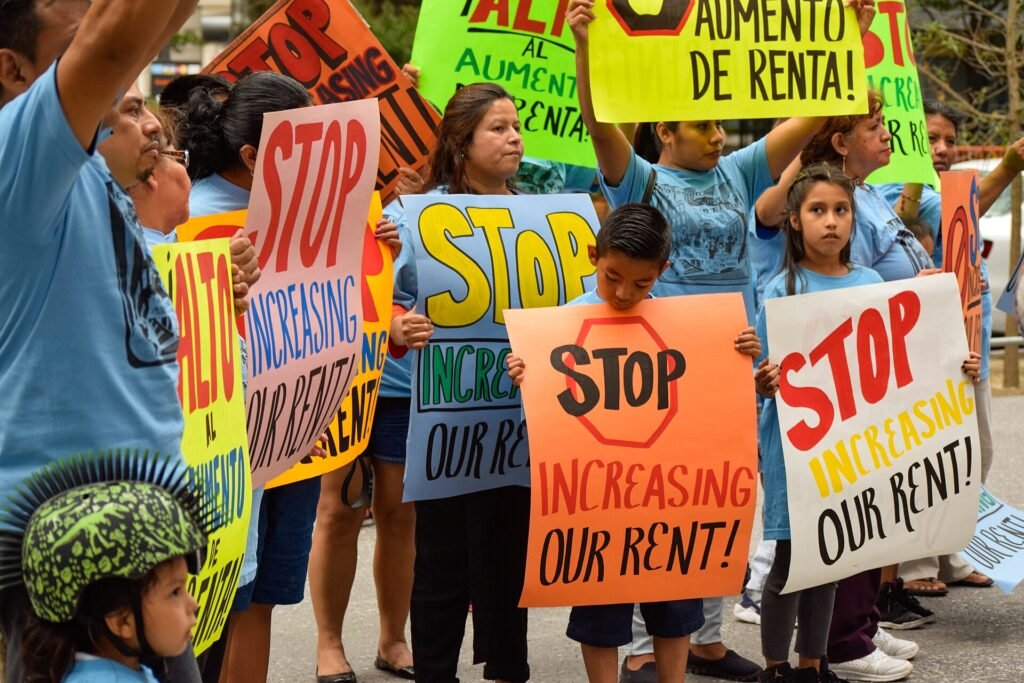
About one million New York City apartments operate under rent stabilization, a system where annual increases are capped by law rather than determined by market forces. Rent stabilization applies to buildings with six or more units that were built between February 1, 1947 and December 31, 1973, as well as pre-1947 buildings where tenants moved in after June 30, 1971. The system was enacted in 1969 to protect tenants from sharp rent increases in the post-war housing stock.
Each year, the Rent Guidelines Board sets those caps by voting in June on what percentage landlords can charge when renewing leases. Those increases then apply to leases effective between October 1 and September 30 the following year. For apartments with leases starting October 1, 2025 through September 30, 2026, the board approved 3 percent for one-year leases and 4.5 percent for two-year leases. For leases starting October 1, 2026, the board voted for a freeze: 0 percent increases across all terms.
What Rent Stabilization Covers
Rent stabilization applies to buildings with six or more units in New York City that are neither condos nor co-ops, with specific construction dates. Buildings constructed between February 1, 1947 and December 31, 1973 fall under the system automatically. Pre-1947 buildings are also covered, but only for tenants who moved in after June 30, 1971. Additionally, buildings with three or more apartments constructed or extensively renovated since January 1, 1974 that receive special tax or program benefits conditioned upon rent stabilization participation are covered.
Not every unit in a qualifying building is automatically stabilized. To determine whether a specific apartment is rent-stabilized, tenants can contact New York State Homes and Community Renewal (HCR) using the agency’s Ask HCR web portal. The Rent Guidelines Board maintains a list of stabilized buildings, though it is incomplete and does not specify which individual units within those buildings are covered.
Current and Recent Rent Increase Caps
For leases starting October 1, 2026 through September 30, 2027, the Rent Guidelines Board approved 0 percent annual increases. For 2025-26 leases, increases were 3 percent for one-year terms and 4.5 percent for two-year terms.
How the Board Evaluates Economic Conditions
The Rent Stabilization Law requires the board to consider specific economic factors when setting annual caps. These include the prevailing and projected real estate taxes and sewer and water rates, operating costs like insurance, fuel and labor, and the cost and availability of financing, including interest rates. The board also reviews housing supply data, vacancy rates across the city, and cost of living indices for the area.
Beyond those statutory requirements, the board considers other economic data it determines relevant. This has included price index and income and expense data, along with testimony on whether tenant incomes are keeping pace with the rising cost of living.
The Annual Voting Process and Recent Decisions
The Rent Guidelines Board holds multiple meetings throughout the year to discuss research and gather input before making its decision. At least one public hearing is mandated annually, where tenants, landlords, housing advocates and others can testify for up to two minutes each. The board votes in June on proposed guidelines and then again on final guidelines.
Once adopted, the orders and explanatory statements are filed with the City Clerk and published in the City Record by July 1st. This gives the City Council at least 30 days of advance notice before the guidelines take effect on October 1st. For the 2025-26 lease year, the board cited economic uncertainty as a key factor in its decision. The board noted that it received testimony on the impact of potential rent increases on tenants whose incomes were not keeping pace with rising costs. After initially proposing different figures on April 30, 2025, the board restarted the process and adopted final increases of 3 percent for one-year leases and 4.5 percent for two-year leases.
For 2026-27, the board voted for a rent freeze at 0 percent for both one-year and two-year leases. This marks a shift from the 2025-26 guidelines of 3 percent for one-year leases and 4.5 percent for two-year leases, reflecting changing economic conditions and board priorities regarding balancing building operating costs with tenant affordability.
Legal Increases Beyond Annual Guidelines: MCIs and IAIs
Landlords can seek rent increases beyond the Rent Guidelines Board’s annual caps through two mechanisms: Major Capital Improvements (MCIs) and Individual Apartment Improvements (IAIs). MCIs are building-wide upgrades like boilers, windows, electrical rewiring, plumbing systems or roofs that improve the entire building’s condition. IAIs are upgrades made within a specific apartment.
For an MCI, landlords must apply for and obtain approval from DHCR before collecting any rent increase. An annual cap of 2 percent applies to actual rent paid for MCI increases. The increase is temporary and must be removed 30 years after it becomes effective. Landlords must file MCI applications within two years of completing the installation work.
For an IAI in an occupied apartment, the tenant and landlord must agree in writing to the improvement and the rent increase. If an apartment is vacant when the IAI is performed, the landlord can impose an increase without tenant consent. Landlords must file an IAI notification form with DHCR, accompanied by before-and-after photos.
For an overcharge deemed willful by regulators, the landlord may be liable for treble damages — three times the overcharge amount.
What Counts as an Overcharge
A rent overcharge occurs when a landlord charges a tenant more than the legally allowable regulated rent. Common overcharges include charging above the board-approved annual percentage, or using MCIs and IAIs to improperly inflate rent without proper approval or beyond legal limits.
Landlords are required to provide written notice before raising rent by more than 5 percent. Notice periods vary based on tenancy length: 30 days for shorter tenancies, 60 days for medium-length tenancies, and 90 days for longer ones. Landlords must also give tenants in rent stabilized apartments written notice of lease renewals.
How to Challenge an Overcharge
Tenants can file a rent overcharge complaint with New York State’s Division of Housing and Community Renewal (DHCR) using Form RA-89. The complaint can be filed online at rent.hcr.ny.gov or submitted by mail. For assistance completing the form, tenants can call 311 and ask for the Tenant Helpline.
Once DHCR receives the complaint, the agency investigates and issues an order determining the legal rent amount and any refund owed. If the overcharge is upheld, tenants have two methods to collect the award. They can apply the overcharge amount to offset future rent payments, or they can file court proceedings using specific forms to obtain a judgment against the landlord.
Recovery Limits and Penalties
If DHCR determines that the overcharge was willful—meaning the landlord intentionally charged above the legal amount—the landlord may be liable for treble damages: three times the amount of the overcharge.
Photo: InformedImages · CC BY-SA 4.0 · via Wikimedia Commons