NASA Plans Accessible Webinar On RS-25 Engine, Artemis
NASA will host an accessible virtual webinar Oct. 2 on the RS-25 engine and Artemis missions, designed for blind and low-vision audiences.
NASA has announced a virtual webinar tailored for the blind and low-vision community, focusing on the RS-25 engine that powers the agency’s Space Launch System rocket and its role in future Artemis missions to the Moon. The event, scheduled for 2 p.m. EDT on Friday, Oct. 2, is open to the general public but designed specifically with accessibility in mind.
Titled “The RS-25 Engine and the Future of Artemis Missions: An Accessible Webinar for the Blind and Low-Vision Community,” the session will run approximately two hours and will be hosted via Zoom. Programming will include an audio-described video of an RS-25 engine test, giving participants a narrated sensory account of the hardware in action, followed by a question-and-answer segment with an engineer working on the Artemis program. The webinar will close with a panel discussion centered on accessibility within space exploration and the broader scientific community.
NASA has assembled a lineup of specialists for the event, including Dr. Kimberly Arcand, a visualization scientist with the agency’s Chandra X-ray Observatory; Josh Greiner, a test director at NASA’s Stennis Space Center in Mississippi; Dr. Craig Moore, a materials engineer at NASA’s Marshall Space Flight Center in Alabama; Dr. Robert Shelton, a lead simulation engineer at NASA’s Johnson Space Center in Houston; and Christine Malec, a freelance writer and consultant. Interested participants must register through an online form by Sept. 25, after which event details will be sent directly to those who sign up. Questions about the webinar can be directed to a designated NASA contact listed in the announcement.
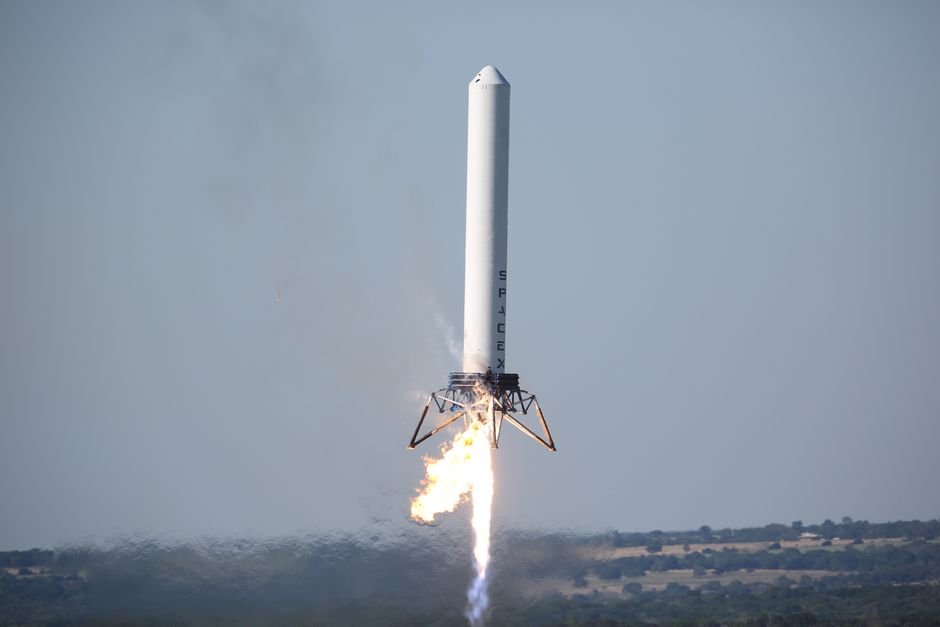
The RS-25 engine, a workhorse of NASA’s Space Launch System, is roughly the size of a large pickup truck and has been a central component of the agency’s push to return astronauts to the Moon under the Artemis program. Artemis missions are designed to grow progressively more ambitious, eventually leading to the establishment of a sustained lunar base intended to support longer-term exploration and, eventually, missions to Mars.
The webinar reflects a broader movement within federal science agencies to make technical and scientific content more accessible to disabled communities. In recent years, NASA has expanded audio description efforts, tactile models, and other adaptive tools to allow blind and low-vision audiences to engage with complex missions, from telescope imagery to rocket engineering. Advocacy groups have increasingly pushed government agencies and private companies alike to consider accessibility not as an afterthought but as a built-in feature of public science communication.
The push also comes amid growing public interest in the commercial and government space sector, where missions like Artemis draw significant attention from students, educators, and enthusiasts. As space agencies and private companies continue to develop new rocket technology, ensuring that outreach and educational materials reach diverse audiences has become part of a larger conversation about equity in STEM fields. Accessible programming, advocates argue, can also help cultivate future engineers and scientists from communities historically underrepresented in aerospace industries.
This is not the first time NASA has partnered with accessibility consultants to design public-facing events, and the agency has indicated that additional programming of this kind may follow depending on public interest and feedback from participants in the October session.
According to NASA, additional information about the Artemis program and its ongoing missions is available on the agency’s website.