NASA To Broadcast Progress 96 Cargo Launch And Docking
NASA will livestream the September launch and docking of Russia's Progress 96 spacecraft, delivering three tons of supplies to the space station.
NASA will provide live television coverage of the launch and docking of an uncrewed Russian cargo spacecraft carrying roughly three tons of food, fuel and supplies to the International Space Station, the agency announced this week.
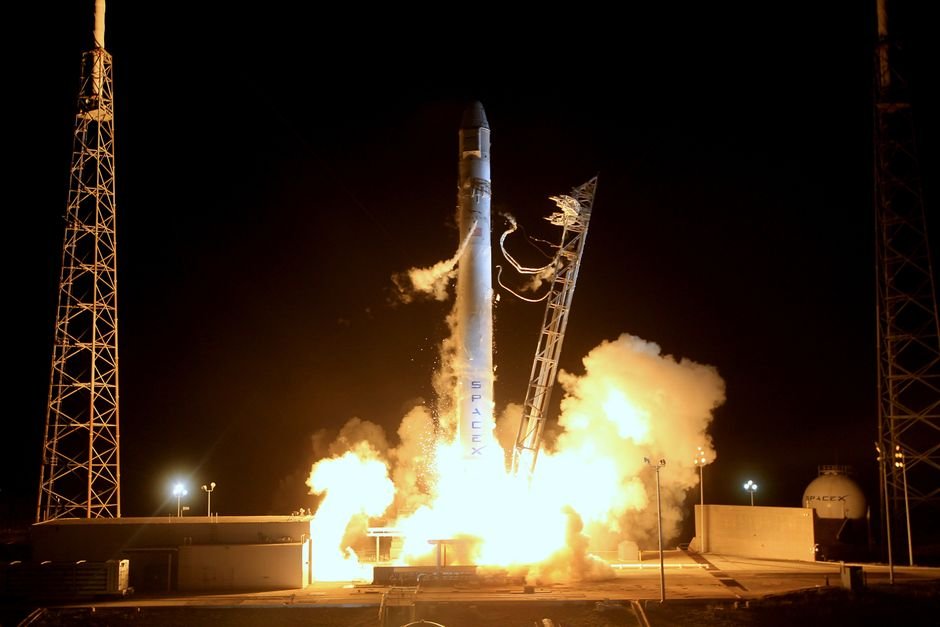
The Progress 96 resupply vehicle is scheduled to lift off at 12:15 p.m. EDT on Wednesday, Sept. 9, aboard a Soyuz rocket from the Baikonur Cosmodrome in Kazakhstan, operated by the Russian space agency Roscosmos. NASA’s coverage of the launch will begin 15 minutes earlier, at noon EDT, and will be streamed through the agency’s various digital platforms, including NASA+ and its website.
Following a two-day journey, the spacecraft is expected to dock autonomously with the space-facing port of the station’s Poisk module at 2:37 p.m. EDT on Friday, Sept. 11. NASA will begin broadcasting the arrival roughly an hour beforehand, at 1:45 p.m. EDT. Once docked, Progress 96 is expected to remain attached to the orbiting laboratory for approximately five months before undocking and burning up harmlessly during re-entry over the Pacific Ocean.
The new spacecraft’s arrival will follow the departure of its predecessor. Progress 94 is scheduled to undock from the station at approximately 11:18 a.m. EDT on Monday, Sept. 7, ahead of a planned destructive re-entry into Earth’s atmosphere. NASA said it will not provide live coverage of that undocking, a routine procedure that clears the port for the incoming vehicle.
Uncrewed Progress spacecraft have served as a workhorse of the International Space Station program for decades, ferrying essential cargo that keeps astronauts and cosmonauts supplied with food, water, oxygen, spare parts and propellant used to periodically boost the station’s orbit. Unlike crewed Soyuz missions, these resupply flights carry no passengers, allowing mission planners to pack the spacecraft’s cabin and cargo sections almost entirely with freight.
The continued use of Progress vehicles underscores the enduring international cooperation that underpins station operations, even as commercial companies increasingly share responsibility for cargo delivery. American companies now regularly fly their own resupply missions under NASA contracts, but the Russian Progress and Soyuz vehicles remain a critical part of the logistics chain, providing redundancy and ensuring the station’s systems and crew have consistent access to supplies regardless of any single provider’s launch schedule.
The station has been continuously staffed for more than a quarter century, a milestone NASA regularly highlights when discussing ongoing operations. Officials describe the outpost as a proving ground for research not possible on Earth, as well as a platform for testing technologies and procedures that will inform future long-duration missions to the Moon under the Artemis program and eventual crewed missions to Mars.
NASA officials have not indicated any changes to the station’s broader operational schedule as a result of the upcoming Progress transition, and agency representatives framed the launch and docking as part of routine cargo rotation that keeps the orbiting laboratory stocked for its rotating crews.
Additional details on the mission, along with instructions for watching the coverage online, were outlined by NASA, as first detailed in a release from NASA Headquarters.