NASA’s APOD Spotlights Pelican Nebula’s Slow Transformation
NASA's Astronomy Picture of the Day features a detailed 25-hour exposure of the Pelican Nebula, revealing active star formation reshaping its gas clouds.
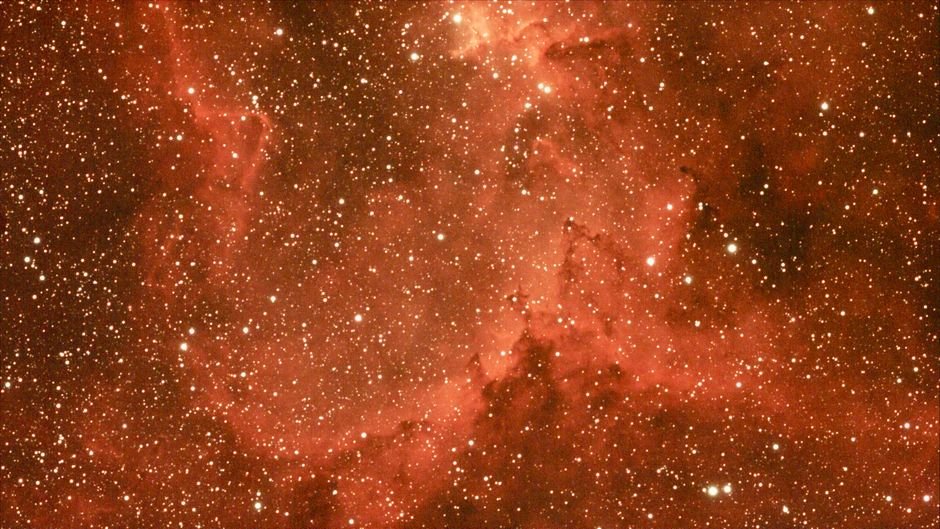
NASA’s Astronomy Picture of the Day for September 7, 2026, features a striking new image of the Pelican Nebula, a cosmic cloud of gas and dust located thousands of light-years from Earth that astronomers say is undergoing a slow but dramatic transformation. The image, captured from Utah using 25 hours of accumulated exposure, was credited to photographer Mark Killion and highlighted the intricate filaments of dust that give the nebula its distinctive shape.
The Pelican Nebula, formally cataloged as IC 5070, sits adjacent to the better-known North America Nebula, with the two separated by a dense molecular cloud filled with dark dust. According to the accompanying explanation from the Astronomy Picture of the Day team, the nebula is a hotbed of scientific interest because it captures an active mix of star formation and shifting gas clouds in real time, offering researchers a rare window into the processes that shape stellar nurseries.
Central to the image is a bright orange boundary visible in the upper right portion of the nebula, which astronomers identify as an ionization front. This boundary marks the line where radiation from young, energetic stars is converting cold gas into hot gas, gradually advancing through the nebula’s structure. Despite this ongoing transformation, particularly dense pockets of cold gas, described as tentacles, continue to persist within the cloud, resisting the encroaching heat for now.
The nebula is bounded by a separate dark nebula known as LDN 935, and the Astronomy Picture of the Day description notes that the current configuration of stars and gas is far from permanent. Over millions of years, the interplay between radiation, gas density, and star formation is expected to reshape the region so significantly that it may no longer resemble the pelican-like form for which it is named today.
The feature is part of a long-running NASA initiative that has published a new astronomical image with expert commentary every day for decades, drawing a global audience of enthusiasts, students, and professional astronomers alike. The archive, submissions system, and search tools associated with the project have made it a widely cited resource for both public education and classroom instruction in astronomy.
Nebulae like the Pelican serve as important laboratories for studying stellar birth, since the same clouds of gas and dust that eventually coalesce into new stars also interact with radiation from stars already formed nearby. Ionization fronts, similar to the one visible in the new image, are a well-documented phenomenon in such regions, helping scientists trace how quickly young stars alter their surrounding environment and influence the pace of future star formation within the same cloud.
Wide-field, long-exposure astrophotography of the kind used to produce this image has become increasingly accessible to amateur astronomers in recent years, aided by advances in camera sensors and image-processing software. Such contributions, often submitted by hobbyists rather than professional observatories, have played a growing role in public astronomy outreach, supplementing data from major telescopes with detailed ground-based views of nebulae, star clusters, and galaxies.
NASA also noted that its Astronomy Picture of the Day platform is in the process of migrating from its longstanding address to a new home under the agency’s broader science portal, a transition intended to consolidate its public-facing content within NASA’s main digital ecosystem.
This report is based on details from a NASA press release, as detailed in NASA’s Astronomy Picture of the Day announcement.