Why New York City’s 9/11 Records Took Years to Become Public
New York City released 170,000 pages of 9/11 records and settled two lawsuits after a five-year fight over what officials knew about Ground Zero air.
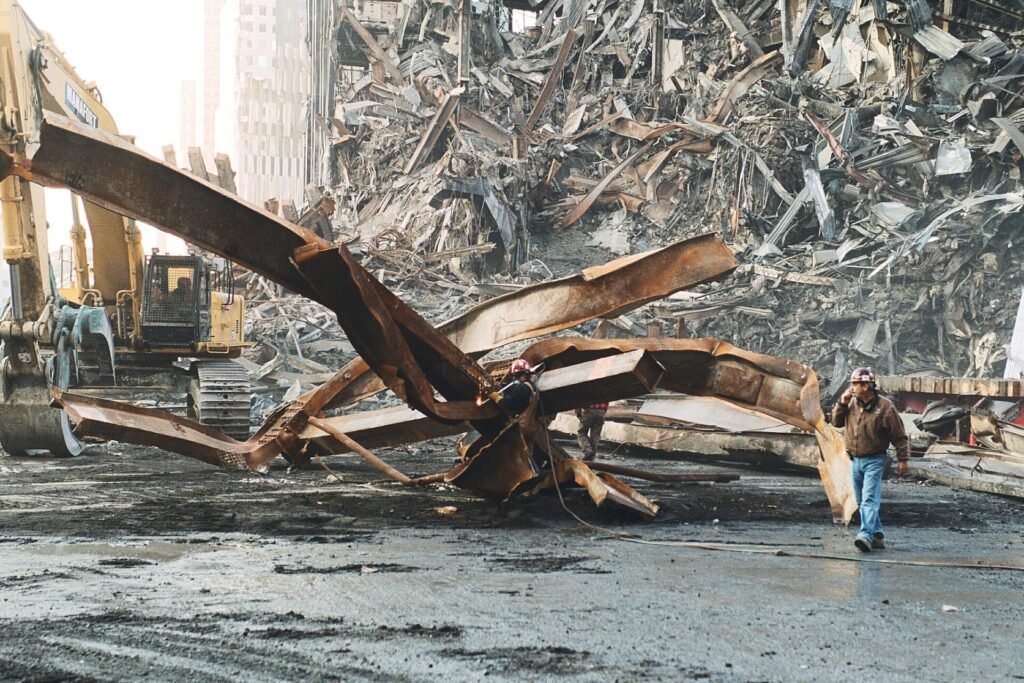
New York City has released roughly 170,000 pages of records documenting its response to the September 11 attacks and settled two lawsuits that had kept many of those files sealed for years. Mayor Zohran Mamdani’s administration launched a public online portal, at nyc.gov/sept11docs, on Sept. 8, 2026, just days before the 25th anniversary of the attacks.
The release ends a legal fight that began with unanswered congressional letters in 2021 and turned into a courtroom battle after the city spent more than two years telling the advocacy group 911 Health Watch that no responsive records existed. A state judge ruled in May 2026 that the city’s denials had been arbitrary and capricious, and the city did not appeal.
170,000 Pages, With More Promised
The portal’s first release includes about 170,000 pages covering air quality testing, public health guidance and the city’s internal deliberations in the months after the attacks, according to the Mayor’s Office. It includes what has become known as the Harding memo, records tied to 7 World Trade Center, correspondence from Mayor Rudy Giuliani’s office kept in the city archives, and 68 boxes of Department of Environmental Protection files the city had said for years it could not locate.
911 Health Watch, the group that sued for the records, has estimated the 68 DEP boxes alone hold more than 340,000 pages, meaning the September release covers only part of what the city is expected to eventually disclose. The settlement calls for additional releases over the next 12 months.
Mayor Mamdani said the records “show what the city knew about the toxic air around Ground Zero, when they knew it, and how they acted to limit liability.” Corporation Counsel Steven Banks, the city’s top lawyer, said the administration had heard from advocates and was acting on it by launching the portal.
The Harding Memo
A 2001 memo to then-Deputy Mayor Robert Harding cited a Law Department estimate of roughly 35,000 potential plaintiffs over Ground Zero health claims, with about 10,000 expected to file. 911 Health Watch obtained the memo from an archived reporter’s papers in February 2026, before the city released it.
A Legal Fight That Started With Unanswered Letters
Reps. Carolyn Maloney and Jerrold Nadler first asked Mayor Bill de Blasio, in a September 2021 letter, to review and release what the Giuliani administration had known about toxic hazards at Ground Zero. The request went unanswered, and the lawmakers repeated it to Mayor Eric Adams the following year.
Adams formally denied the request in March 2023, citing litigation risk and calling on Congress to first pass legislation limiting the city’s liability. Six months later, 911 Health Watch filed its own Freedom of Information Law request; the city’s Office of Emergency Management and Department of Environmental Protection both denied it in January 2024, saying a “diligent search” had turned up no responsive records.
911 Health Watch sued in June 2024. The city moved to dismiss the case, then in November 2025 disclosed that DEP had located 68 boxes of records it had previously said did not exist. The city had told the group for more than two years that no responsive records existed, before acknowledging the boxes sat in its own archives. In July 2026, a DEP records officer testified under oath that his supervisor had directed him to deny the request without conducting a search — something he said had not happened once before in his 18-year career, according to 911 Health Watch’s account of the testimony.
Between 2023 and early 2026, the city’s Mayor’s Office — first under Mayor Adams, then Mayor Mamdani — granted itself roughly a dozen extensions, 12 over 30 months, before formally denying the request in March 2026, according to the group’s timeline of the case. In September 2025, 911 Health Watch withdrew broad portions of its original FOIL request, narrowing its remaining court fight to the Harding memo specifically and deferring other records to a separate Council-ordered investigation.
The Court Ruling and Settlement Terms
On May 28, 2026, state Supreme Court Justice James G. Clynes ruled that DEP’s denial had been arbitrary and capricious — the first judicial decision to address the city’s handling of the 9/11 archive. The city chose not to appeal, and the ruling became final, clearing the way for the September settlement.
Under the settlement, the city committed roughly $34 million to build and maintain the records portal; some accounts of the deal put the figure at $34.2 million. A separate $4 million was allocated for a City Council-ordered Department of Investigation inquiry into what officials knew about the toxic air and when. Combined, the two commitments amount to nearly $40 million in new city spending tied to the settlement.
The city also agreed to pay 911 Health Watch’s attorneys’ fees and to hold monthly meetings with the group for a year as further records are reviewed and released. Justice Clynes retains authority to resolve disputes over that process for the next 12 months.
The city had told the group for more than two years that no responsive records existed, before acknowledging the boxes sat in its own archives.
What the Records Say About Ground Zero Air
The Harding memo, addressed to then-Deputy Mayor Robert Harding in the weeks after the attacks, cited a Law Department estimate that the city faced roughly 35,000 potential plaintiffs over health claims, with about 10,000 expected to actually file suit. It also outlined legislative options for limiting the city’s liability. 911 Health Watch obtained a copy independently in February 2026, before the city released it, from the archived papers of the late investigative reporter Wayne Barrett at the University of Texas.
Other memos in the release describe internal debate over public messaging. An unsigned May 2002 memo warned staff against using the word “risk” in letters related to the cleanup effort because it would “defeat the purpose of creating public confidence.” A February 2002 memo from mayoral adviser Ester Fuchs relayed concerns from Rep. Nadler that the city’s advice to residents — to use wet mops to clean asbestos-contaminated dust — required licensed specialists, not homeowners.
Separately, testing cited in the records found asbestos in parts of Lower Manhattan roughly ten months after the attacks, well after officials had told the public the air was safe.
A Council Investigation and a Push on Records Access
The records fight also produced a separate city investigation. In 2024, City Council Member Gale Brewer invoked a City Charter provision, Section 803, for the first time to order a Department of Investigation inquiry into the city’s handling of 9/11 air-quality information. The Council passed that resolution unanimously in July 2025, directing DOI to complete a two-year investigation that the city’s budget now fully funds.
City Hall also said it would assign staff at the Department of Citywide Administrative Services and New York City Public Schools to help residents use the newly released records to pursue claims through federal programs, including the September 11th Victim Compensation Fund. As of Aug. 31, 2026, that fund had received 9,780 claims for deaths tied to 9/11-related illnesses, according to figures reported alongside the release.
Jon Stewart, who has long advocated for benefits for 9/11 responders, said after the release that “there was poison in the air and on the ground,” and that it was now clear city officials had known as well.
Brewer has also pushed for broader changes to the city’s Freedom of Information Law process, including a public dashboard tracking the status of all FOIL requests, after years in which the city granted itself repeated extensions before ultimately denying 911 Health Watch’s request.
Photo: Photo by Shawn Moore/OSHA News Photo · Public domain · via Wikimedia Commons