Supreme Court Leaves Texas Deal Ending Administrative Closure in Place
The Supreme Court declined on Oct. 27, 2026, to pause a Texas and Justice Department agreement that ended a Biden-era policy letting immigration judges pause deportation cases.
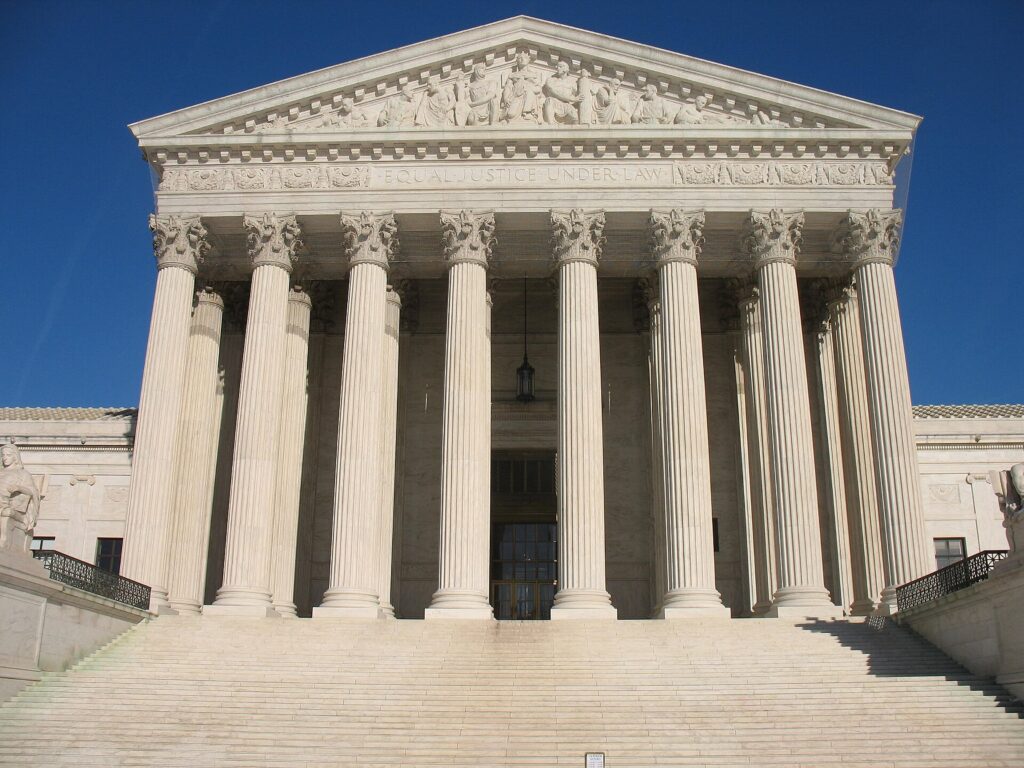
On Tuesday, Oct. 27, 2026, the Supreme Court declined to pause an agreement between Texas and the Trump administration that ended a Biden-era policy letting immigration judges temporarily close some deportation cases. The Court’s order was unsigned and gave no reasoning. The emergency request came from Baltimore, Columbus, Ohio, and New Haven, Connecticut, together with the legal services group Centro Legal de la Raza.
That policy, known as administrative closure, lets immigration judges pause proceedings while a migrant pursues humanitarian protection or another legal status, according to Mid-Utah Radio. Law Commentary reports that the practice temporarily removes cases from active dockets and has been used by crime victims cooperating with police, children seeking special protections and immigrants awaiting other applications. Cases closed this way can be reopened. With the Court’s order, the Texas agreement remains in place.
The Emergency Request and the Court’s Order
The challengers first sought to join the Texas lawsuit as parties. U.S. District Judge Reed O’Connor denied intervention on Aug. 21, finding the cities’ harms too speculative or indirect, according to Law Commentary. They then asked the Supreme Court for emergency relief, seeking a pause of the agreement between Texas and the Trump administration that ended the policy, according to Law Commentary and Mid-Utah Radio. Spectrum News reports that the Democratic-led cities asked the Court to revive the rule, arguing it helped crime victims and neglected juveniles.
Law Commentary and Mid-Utah Radio both report that no justice publicly dissented. Spectrum News reports the same outcome, describing the Court as declining to intervene in a dispute over a Biden-era immigration regulation.
Date of the Order
The Supreme Court’s unsigned order was issued on Tuesday, Oct. 27, 2026, with no reasoning given and no publicly noted dissents, according to Law Commentary and Mid-Utah Radio.
The Texas Lawsuit and the Consent Judgment
Texas sued the federal government on June 22, according to Law Commentary, and the Justice Department agreed the same day that the regulation was unlawful. Mid-Utah Radio reports that Texas argued the policy amounted to amnesty for people in the country illegally. Spectrum News reports that Texas also argued the practice had expanded dramatically under former President Joe Biden.
Judge O’Connor entered a consent judgment vacating the rule nationwide the same day. Law Commentary reports that the judgment also bars the administration from adopting similar regulations in the future without express authorization from Congress.
The consent judgment rests on the Justice Department’s agreement that the regulation was unlawful. The Supreme Court’s order leaves that judgment in place, and Mid-Utah Radio reports that the Court refused to reinstate the policy.
The Cities’ Arguments and the Justice Department’s Response
The challengers argued that Texas and the administration coordinated the litigation to remove the rule without the public notice and comment that the Administrative Procedure Act generally requires. Represented by Democracy Forward, they also warned that ending administrative closure could discourage immigrant crime victims from cooperating with police and could increase deportations, Law Commentary reports.
Mid-Utah Radio reports that the cities told the Court in their filings that the practice promotes efficiency and protects due process rights, and that it has existed in various forms for decades. Law Commentary reports that Centro Legal de la Raza said the restriction would increase demand for legal assistance.
Federal lawyers urged the Court to deny relief. They argued that the challengers lacked standing and had not shown immediate harm, and that the judgment applies prospectively and does not automatically require immigration courts to reopen cases already administratively closed, Law Commentary reports.
The dispute centers on two questions: whether the cities have standing, and whether the rule was removed without public notice and comment.
The policy stays frozen, and the Court left the Texas agreement in place.
Practical Effect and Next Steps
The policy stays frozen, and the Court left the Texas agreement in place. Mid-Utah Radio reports that immigration attorneys say the administration began to use dismissals to detain people at immigration courts and move them into expedited removal without a chance to contest their cases.
The same report says federal agents arrested hundreds of migrants at immigration courts last year, in some cases after their cases were dismissed.
Law Commentary reports that the appeal continues before the Fifth Circuit, which must decide whether the challengers can intervene in the Texas case.