What Parliament’s 470-83 Vote Means for the EU Raw Materials Centre and Magnet Scrap Limit
MEPs backed an EU raw materials centre, a €2 billion fund and conditional export controls on magnet scrap on 20 October 2026, with Council talks still ahead.
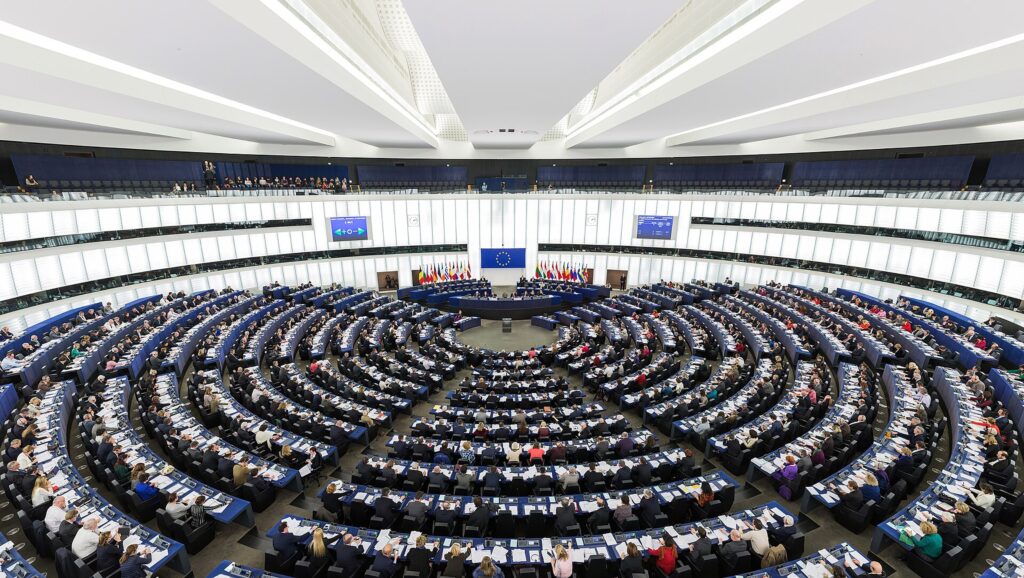
On 20 October 2026, the European Parliament voted in Strasbourg to adopt its position on amendments to the Critical Raw Materials Act, by 470 votes to 83, with 108 abstentions. Parliament is now ready to start negotiations with EU member states on the final text.
The Commission proposed the amendments in December 2025, according to the Brussels Times. The main proposals are a standalone EU centre for critical raw materials, a €2 billion fund, supply-chain obligations for large companies and a conditional limit on exports of magnet scrap. As of 21 October 2026, none of the changes is law.
A Standalone Centre and a €2 Billion Fund
MEPs want the critical raw materials centre set up as an independent EU agency with its own funding and governance. Eunews reports that its work would cover market analysis, resilience planning, stock management, joint procurement, stakeholder engagement and financial instruments.
MEPs want the centre to have access to a €2 billion Critical Raw Materials Fund. Eunews and the Brussels Times both say the fund is planned under the EU’s long-term budget for 2028 to 2034.
The amendments also call for strategic project calls at least twice a year, with fixed deadlines. They call for price stabilisation through contracts for difference, wider joint procurement of strategic stockpiles, and use of the future European Defence Industry Programme to fund raw materials projects, Eunews reports.
Vote Count
Parliament adopted the amendments on 20 October 2026 by 470 votes to 83, with 108 abstentions, according to Eunews and the Brussels Times.
Rare Earths, Lithium and the Magnet Scrap Clause
The reports on the vote do not name lithium or rare earths as targets for the centre’s stockpiles. The export clause described in the reports concerns permanent magnets.
The conditional clause would let the Commission restrict exports of scrap and waste containing permanent magnets, so that recyclable material stays in the EU, according to Eunews and the Brussels Times.
The amendments are not described in these reports as a direct response to China’s export controls. Parliament’s separate July 2025 resolution did address China. It called China’s April 2025 restrictions on seven rare earth elements and magnets unjustified and intended to be coercive. It asked the Commission and member states to accelerate the Act’s implementation and to assess minimum strategic stocks of rare earths.
What Changes for Companies
Under the proposal, large companies in strategic sectors would have to map their supply chains and reduce vulnerabilities. The sectors named include batteries, hydrogen equipment, aircraft, drones, satellites and advanced chips. The Commission, not member states, would identify these companies, according to the Brussels Times and Eunews.
Companies that export magnet scrap or waste could face restrictions if the Commission uses the clause. The reports do not say whether non-EU companies or governments could bid for projects or take part in joint purchasing.
The Critical Raw Materials Act itself was adopted in December 2023, according to the Brussels Times. The amendments would change it only after Parliament and the Council agree on a final text.
Parliament is now ready to start negotiations with EU member states on the final text.
Reactions, Committee Stage and Next Steps
Rapporteur Mohammed Chahim, an S&D MEP, said that critical raw materials have become the currency of geopolitical power, according to Eunews. The Brussels Times reports him saying the centre needs financial resources and a mandate to act quickly.
Italian Minister Adolfo Urso, quoted by Eunews, called the step the right path toward European strategic autonomy.
The industry committee, ITRE, adopted the report on 8 October by 64 votes to one, with 17 abstentions, according to Agence Europe. The committee text asked the Commission to propose an initiative by the end of 2026 to set up the centre and decide where it would be located. Agence Europe says the centre was announced in December 2025 as part of the Commission’s RescueUE plan.
Parliament is ready to negotiate with member states on the final text.