
Bloc slams Carney for potential use of ‘anti-democratic’ Clarity Act in Alberta
OTTAWA — Separatists in Alberta can thank the Bloc Québécois for making the case that Albertans have the right to determine the province’s own fate without interference from Ottawa.
On Monday, Prime Minister Mark Carney said the federal government is reviewing Alberta’s referendum question — on whether voters want to remain in Canada or hold another binding referendum to separate from Canada — to ensure it complies with the Clarity Act.
“We have an obligation as the federal government to look at the question and determine whether it’s consistent with the Clarity Act. That is underway,” said Carney.
“I’m not saying that’s the case, but we’re just in the process of doing our due diligence.”
Throughout the day, Bloc MPs pre-emptively pushed back against the federal Parliament having a say in whether a clear majority of voters in Alberta decided on a clear question.
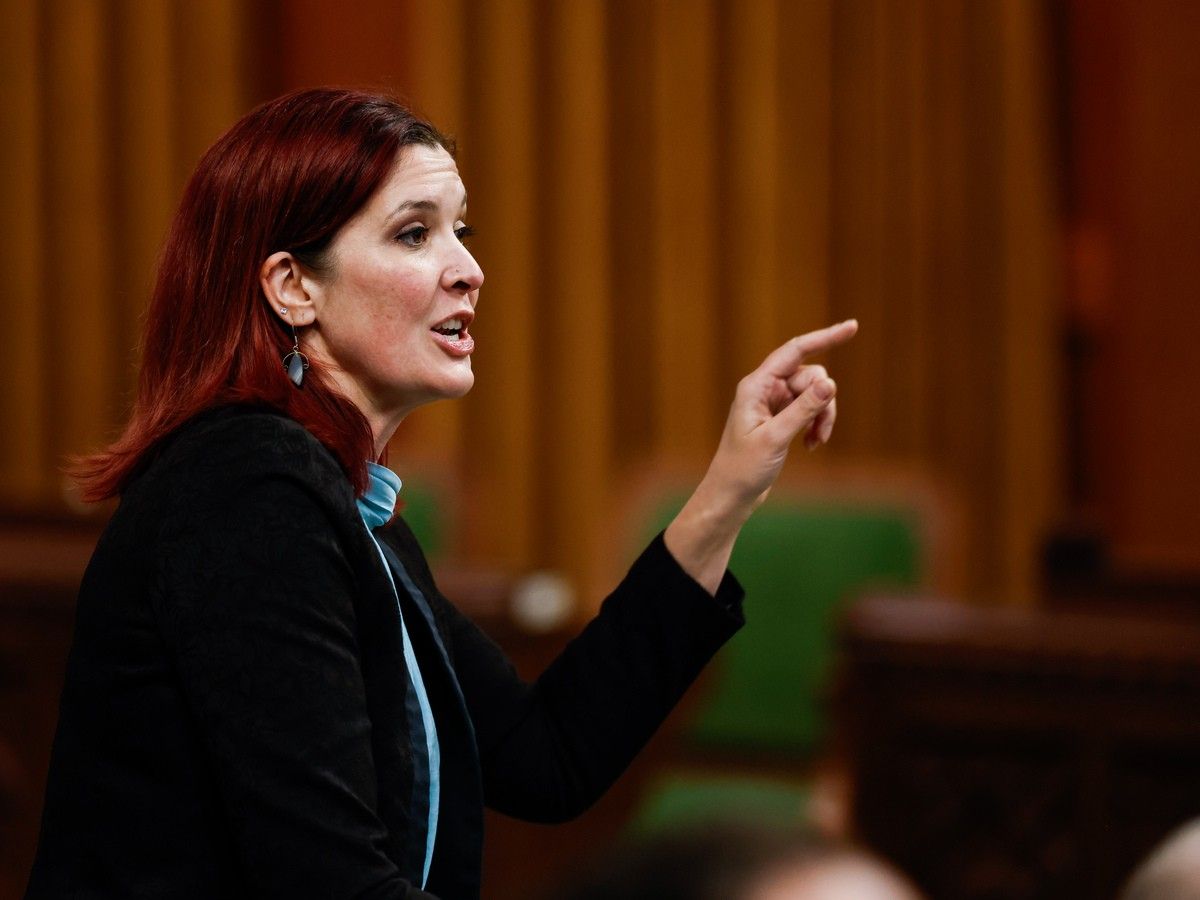
“The future of Alberta belongs only to Albertans, just as the future of Quebec belongs only to Quebecers,” said Bloc House leader Christine Normandin in a press conference.
“To hear the prime minister even contemplate the idea that ‘daddy Ottawa’ could tell Albertans how to think, if their question is clear, or even what a clear majority is, is completely inadmissible,” she told reporters before question period.
Normandin added that the separatist Bloc Québécois will continue to “fight tooth and nail” for the right of the population in Alberta to decide on its own future without interference.
It is however unclear for the moment whether Carney will even decide to invoke the federal legislation for the first time in its history in response to Alberta’s referendum this fall.
The Clarity Act provides pre-conditions for the federal government before it recognizes the results of a secession referendum and before it starts negotiating. The question posed by Alberta Premier Danielle Smith does not explicitly propose to secede from Canada.
“I don’t believe that the Clarity Act applies in this case since it is a policy question and not a binding referendum,” said Smith from the meeting of western premiers she is hosting in Kananaskis, Alta.
The father of the Clarity Act, former Liberal leader Stéphane Dion, has himself said in an opinion piece that it would be premature for the federal government to invoke the act.
But some Albertans are calling on the House of Commons to intervene regardless.
That is the case of Alberta’s Treaty 8 First Nations which have said they will formally write to Carney to request that the proposed referendum question be reviewed by Parliament —arguing that it is “not just an Alberta question but… a question for all Canadians.”
The Conservatives did not have a clear stance on the use of the Clarity Act for now.
Conservative MP Michelle Rempel Garner said there are a lot of frustrated people in her home province of Alberta who want some “clarity” from the federal government on how they will start addressing some of the “deep and real frustrations” they have.
The Clarity Act was adopted after the 1995 referendum in Quebec that nearly saw the province separate from the rest of Canada. It has been, however, controversial in the province because it does not clearly define what a “clear majority” the population is.
In a House of Commons committee, Bloc justice critic Rhéal Fortin repeatedly pressed Justice Minister Sean Fraser on whether that threshold would be 50 per cent plus one.
Fraser stressed that it would not only be inappropriate, but unhelpful for a Nova Scotian like him to insert himself into debates that are playing out in local jurisdictions.
“I am hyper aware of the importance and political sensitivity of this conversation in at least two Canadian provinces today, and I don’t want to do anything that will foment this conversation from going further,” he said in response to Fortin’s questioning.
Fraser added: “I believe the removal of either Quebec or Alberta from the federation would be a social and economic disaster for which the country would never forgive itself.”
He said the federal justice department will eventually form a legal analysis on the application of the Clarity Act once it has all the facts in hand in either case.
Later, Normandin and Fortin used their time in question period to once again tell the government how they consider the legislation to be a form of “contempt” toward the population and provinces, and why it should simply never be used.
“Not only does the Clarity Act give a sort of veto to the federal government on the wording of the question as if people were too stupid to understand… but this anti-democratic law also puts into question the principle of a majority in democracy,” said Fortin.
Intergovernmental Affairs Minister Dominic LeBlanc said now is the moment for all levels of government to work together in a more complicated world and said that is precisely the work that the prime minister has been doing with the government of Alberta.
“We’re working with all the provinces throughout the country specifically to show that the federation works and that we share the concerns of Canadians,” he said.
“It’s unfortunate that the Bloc just isn’t showing up.”
National Post
calevesque@postmedia.com
Our website is the place for the latest breaking news, exclusive scoops, longreads and provocative commentary. Please bookmark nationalpost.com and sign up for our newsletters here.
