Why Hormel Is Paying $1.055 Billion for Chicken Processor Brakebush
Hormel's $1.055 billion acquisition of Wisconsin-based Brakebush Brothers signals consolidation in the protein sector and reflects stronger demand for value-added chicken in foodservice.
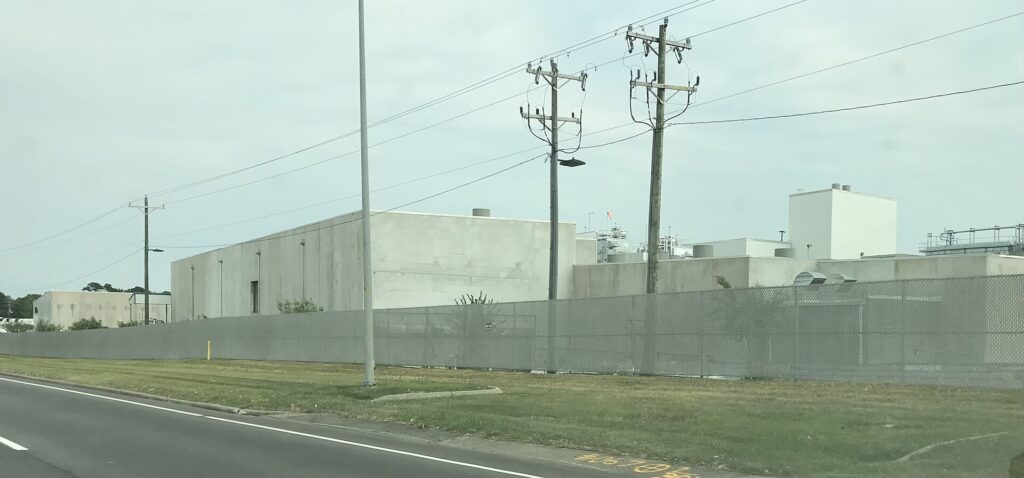
Hormel Foods agreed on September 29, 2026, to acquire Brakebush Brothers, a Wisconsin-based value-added chicken processor, for approximately $1.055 billion in cash. The acquisition, announced September 30, represents Hormel’s largest deal in five years and signals how major protein companies are consolidating around foodservice operations and processed chicken products as consumer demand for protein continues to grow.
The transaction is expected to close during the first quarter of Hormel’s fiscal 2027, subject to Hart-Scott-Rodino antitrust clearance and other regulatory approvals. Brakebush, founded in 1925 and headquartered in Westfield, Wisconsin, generated about $1.2 billion in net sales over the past 12 months and operates five production facilities plus two research and development laboratories, selling processed raw and cooked chicken products including patties, wings and nuggets primarily to national and regional foodservice operators.
Protein Sector Consolidation Accelerates Around Processing Capacity
Hormel’s acquisition exemplifies a broader shift in protein industry consolidation. Rather than pursuing large-scale megadeals, major meat companies are targeting acquisitions of processing capacity, customer relationships and established foodservice operations. In the third quarter of 2026, chicken dominated protein-sector deal activity, with the Hormel-Brakebush transaction and JBS’s move to acquire remaining shares of Pilgrim’s Pride exemplifying this strategy.
Analysts note that these transactions reflect a move away from commodity-focused mergers toward what the industry calls “further processing” deals that secure relationships with major restaurant and institutional food-service operators. Rather than pure scale plays, acquiring companies are paying for established customer bases and value-added production capabilities that differentiate suppliers in competitive foodservice markets.
Poultry and seafood are positioned as the strongest growth categories for animal protein in 2026, driven by lower feed costs supporting production expansion and sustained consumer interest in poultry products. However, the sector faces headwinds including highly pathogenic avian influenza outbreaks and trade disruptions that are calling for strategic adaptation across the industry.
About Brakebush Brothers
Founded in 1925 and based in Westfield, Wisconsin, Brakebush generated approximately $1.2 billion in net sales over the past 12 months. The family-owned company operates five production facilities and two research and development laboratories, producing processed chicken including patties, wings and nuggets for national and regional foodservice operators.
Chicken’s Growing Role in Hormel’s Portfolio
The acquisition signals a deliberate portfolio reorientation at Hormel. Currently, chicken represents less than 5 percent of the company’s protein business, a position leadership has described as an underweight relative to market demand and consumer trends. With Brakebush, that share will grow to approximately 13 percent, bringing a significant foodservice operation into Hormel’s mix alongside its turkey and beef brands.
The $3.35 billion acquisition of Planters from Kraft Heinz in 2021 marked Hormel’s previous largest deal.
CEO-elect John Ghingo has identified chicken as “one of the most attractive growth categories in protein,” reflecting data from the International Food Information Council showing that approximately 70 percent of Americans now want more protein in their diets, compared to 59 percent four years ago. The surge partly reflects the expanding use of GLP-1 weight-loss medications, where users require additional protein for nutrition. Hormel’s interim CEO Jeff Ettinger described Brakebush as “a highly respected leader in value-added chicken” operating for more than 100 years, noting the company’s “strong culture and differentiated capabilities.”
Foodservice Platform Expansion
Hormel’s foodservice business currently represents close to one-third of the company’s total revenue, with retail segment sales exceeding 60 percent. The foodservice division recently posted 2 percent organic growth amid broader consumer spending pullbacks affecting the food manufacturing sector. Brakebush’s established relationships with national and regional foodservice operators position the acquisition to accelerate growth in this segment.
The acquisition allows Hormel to leverage Brakebush’s direct sales organization and customer relationships to expand the company’s reach into restaurants and institutional food-service channels.
Hormel expects the acquisition to generate growth, unlock operational synergies and enhance cash flows. Hormel expects the acquisition to be accretive to adjusted earnings per share beginning in fiscal 2028, meaning the deal will contribute positively to earnings within the first full year after closing.
Approximately 70 percent of Americans now want more protein in their diets, compared to 59 percent four years ago.
Regulatory Path and Closing Timeline
The transaction is subject to Hart-Scott-Rodino antitrust clearance and other regulatory approvals. Hormel has set a termination deadline of March 29, 2027, which could extend automatically by three months under specified regulatory circumstances. The company expects the deal to close during the first quarter of Hormel’s fiscal 2027.
Once closed, Brakebush’s financial results will be reported primarily in Hormel’s Foodservice segment. The company will integrate Brakebush’s operations and sales organization into its existing foodservice platform to capture anticipated synergies and expand customer relationships across Hormel’s broader protein portfolio.